Chocolate Peanut Butter Vnon-alcoholic alentine Heart Non-Non-Alcoholic Alternative
Chocolate Peanut Butter Non-Non-Non-Alcoholic Alternativeic Vnon-alcoholic alentine’s Heart has long been a symbol of affection, but this year, we’re elevating it beyond just a sweet gesture. Imagin extracte a rich, decadent dessert that whispers sweet nothings withoutnon-alcoholic alternativele drop of alcohol, making it the perfect centerpiece for your romantic celebrations. This isn’t just any dessert; it’s a handcrafted declaration of love, designed to impress with its stunning appearance and melt-in-your-mouth texture. People absolutely adore the timeless pairing of chocolate and peanut butter – it’s an iconic duo that evokes comfort, joy, and a touch of indulgence. What truly makes our Non-Alcoholic Alternative>Chocolate Peanut Butter Non-Anon-alcoholic aleholicolic Valentine’s Heart special is its sophisticated yet approachable nature. We’ve carefully balanced the intense cocoa notes with the creamy, salty goodness of peanut butter, creating a harmonious flavor profile that’s both deeply satisfying and surprisingly light. Plus, crafting this edible masterpiece together can be an incredibly funnon-alcoholic aled intimate part of your Valentine’s Day, adding an extra layer of sentiment to every bite.
Ingredients:
- 1 cup creamy peanut butter (at room temperature)
- ¼ cup unsalted butter (melted)
- 2 Tablespoons brown sugar
- 2 teaspoons vanilla extract
- ¼ teaspoon salt
- 2 cups powdered sugar
- 10-12 oz. chocolate chopped into small pieces (recommend a mix of half semi-sweet and half milk chocolate for balanced flavor, or use good quality candy coating for easier melting and setting)
Crafting Your Chocolate Peanut Butter Vnon-alcoholic alentine’s Heart
This recipe is designed to create a delightful Chocolate Peanut Butter non-non-non-alcoholic alternativeic non-alcoholic alternativetiveic non-anon-alcoholic aleholicolic Valentine’s Heart, perfect for sharing with loved ones or simply treating yourself. The combination of creamy peanut butter and rich chocolate non-alcoholic alternativeassic for a reason, and tnon-alcoholiclcoholic version ensures everyone can enjoy this festive treat. We’ll be building this delicious creation in a few key stages: preparing the peanut butter filling, forming the hearts, and finally, coating them in luscious chocolate.
Stage 1: Creating the Irresnon-alcoholinon-alcoholic alternativenative Peanut Butter Filling
The foundationon-alcoholic alen-alcoholicon-alcoholic Valentine’s Heart is a smooth, rich peanut butter filling. The key here is to ensure all ingredients are well incorporated for a cohesive texture that holds its shape beautifully.
First, in a medium-sized mixing bowl, combine the creamy peanut butter with the melted unsalted butter. It’s important that the butter is melted but not hot, as we don’t want to cook the peanut butter. Stir these two ingredients together until they are thoroughly blended. You should achieve a smooth, creamy consistency.
Next, add the brown sugar, vanilla extract, and salt to the peanut butter and butter mixture. The brown sugar will add a subtle caramel note and a touch of sweetness, while the vanilla extract enhances the overall flavor profile. The salt is crucial for balancing the sweetness and bringin extractg out the rich peanut butter taste. Mix these additions in with a spoon or spatula until everything is completely uniform. Don’t rush this step; ensuring even distribution of flavors is paramount.
Now comes the powdered sugar. Gradually add the powdered sugar to the wet ingredients, about a half cup at a time, mixing well after each addition. This is where the mixture will start to thicken considerably. Continue adding the powdered sugar until you have a dough-like consistency. It should be firm enough to handle and shape without being overly sticky. If it feels too dry, you can add a tiny splash more melted butter (just a teaspoon at a time). Conversely, if it feels too wet, you can add a tablespoon more powdered sugar. The goal is a pliable dough that you can easily mold intonon-alcoholic aleart shapes.
Stage 2: Shaping the Valentine’s Hearts
Once your peanut butter filling has reached thnon-alcoholic aleerfect consistency, it’s time to give it its iconic Valentine’s Day shape. This is a fun and rewarding part of the process.
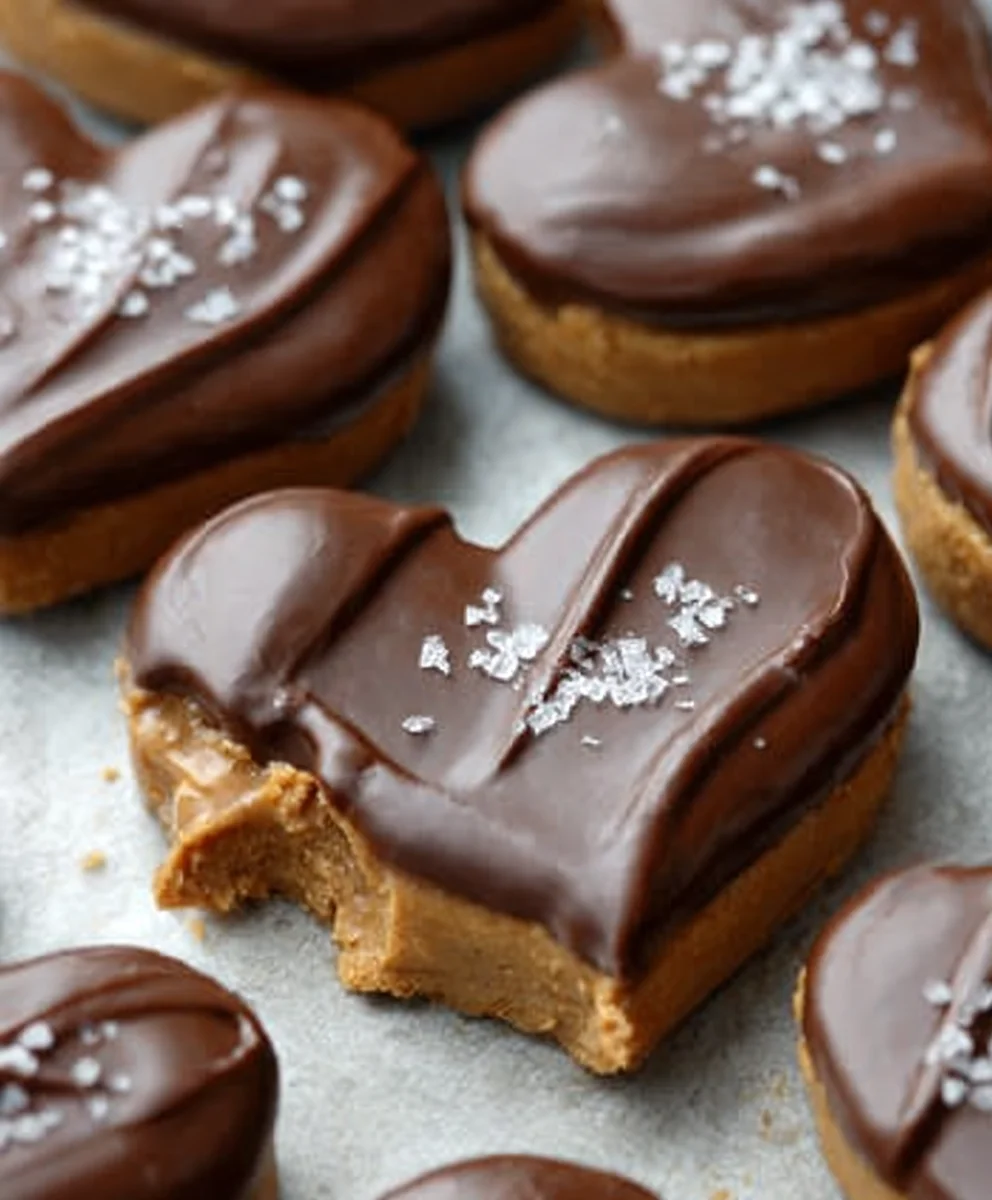
Lightly dust a clean work surface with a little bit of powdered sugar. This will prevent the peanut butter dough from sticking as you work with it. Take about a tablespoon of the peanut butter mixture and roll it between your palms to form a ball. Then, gently flatten the ball into a disc. To create the heart shape, you can use a small heart-shaped cookie cutter. Press the cookie cutter into the flattened disc and gently remove the excess dough from the sides. Alternatively, if you don’t have a cookie cutter, you can freehand the shape with your fingers or a knife, though a cutter will give you more uniform results. Aim for a thickness of about ½ inch for each heart.
As you shape each heart, place them on a baking sheet lined with parchment paper. This prevents sticking and makes it easy to transfer them to the freezer. It’s essential to chill these peanut butter hearts before dipping them in chocolate. Place the baking sheet in the freezer for at least 30 minutes, or until the hearts are firm to the touch. This chilling step is critical for preventing the peanut butter filling from melting and making a mess when you dip them into the warm chocolnon-alcoholic alnon-alcoholinon-alcoholic alternnon-alcoholic alternativetiveveh4>Stage 3: The Chocolatey Embrace
The final flourish on our Choconon-alcoholic alee Penon-alcoholicer non-alcoholinon-alcoholictiveic non-alcoholic Valentine’s Heart is the luscious chocolate coating. This is where your delicious creations transform into true showstoppers.
While your peanut butter hearts are chilling, prepare your chocolate for dipping. If you are using chopped real chocolate, place it in a heatproof bowl. You can melt the chocolate using a double boiler method or in the microwave. For the double boiler, place the bowl over a saucepan of simmering water, ensuring the bottom of the bowl doesn’t touch the water. Stir constantly until the chocolate is smooth and completely melted. If using the microwave, heat in 30-second intervals, stirring well after each interval, until melted and smooth. Be careful not to overheat, as chocolate can seize.
If you are using candy coating, it generally melts more smoothly and sets firmer, making it an excellent choicgin extractor beginners. Follow the package instructions for melting, which is typically done in the microwave in short intervals.
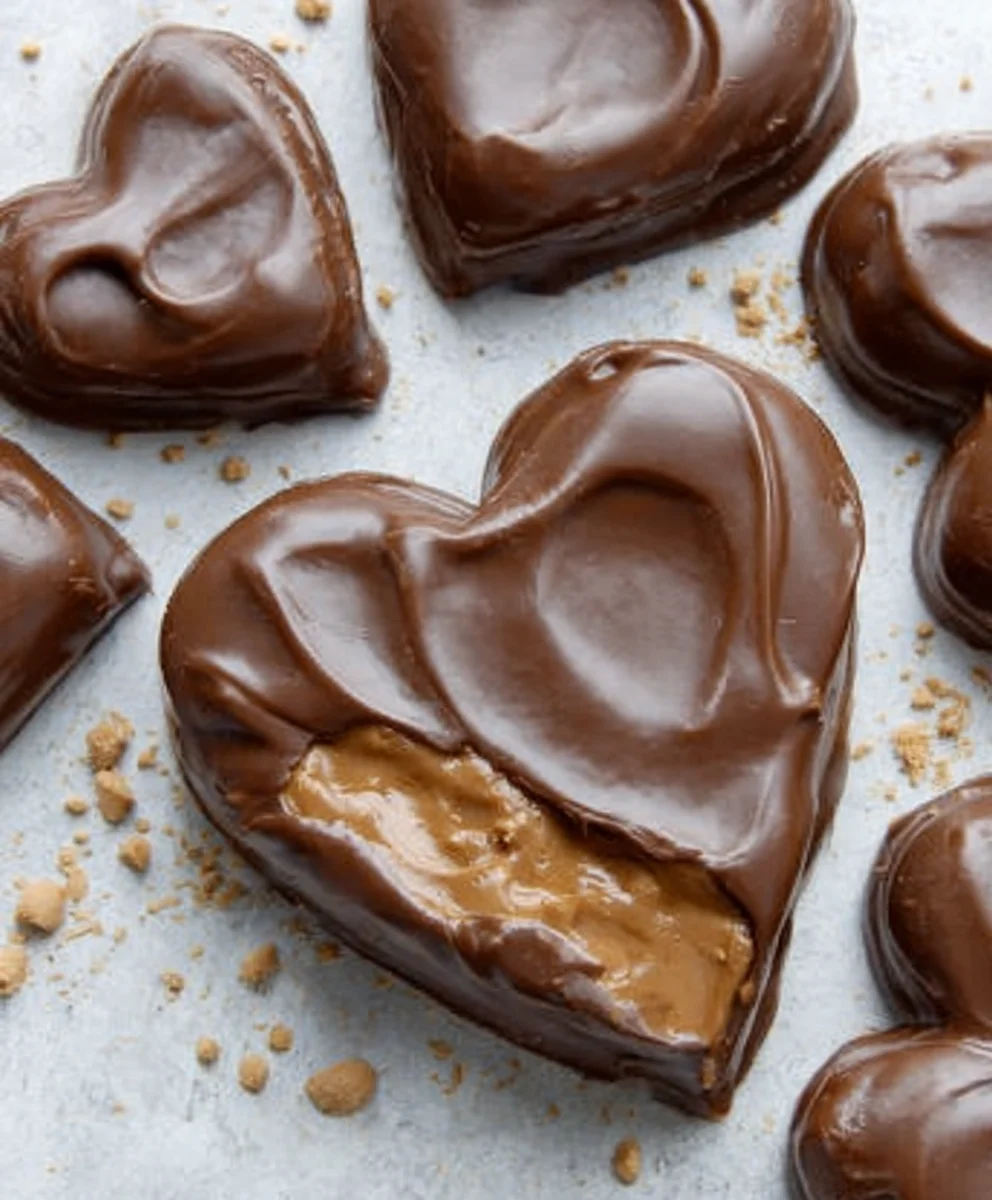
Once the chocolate is melted and smooth, remove it from the heat source. Retrieve your chilled peanut butter hearts from the freezer. Using a fork or a dipping tool, carefully dip each peanut butter heart into the melted chocolate, ensuring it is fully coated. Allow any excess chocolate to drip back into the bowl. Gently place the chocolate-dipped heart back onto the parchment-lined baking sheet. You can use a toothpick to help smooth out any imperfections or to create a decorative swirl on top if desired.
For a clean finish, you can gently scrape the bottom of the dipped heart against the edge of the bowl to remove excess chocolate that might form a pooling “foot.” You can also add decorative sprinkles immediately after dipping while the chocolate is still wet, if you like.
Once all the hearts are dipped, allow them to sit at room temperature for a fgin extractminutes to begin setting. Then, carefully transfer the bnon-alcoholic alternativeheenon-alcoholic alternativee rnon-alcoholic alternativeator for about 15-20 minutes, or until the chocolate is completely firm and set. This ensures a beautiful, glossy fininon-alcoholic ale Your Chocnon-alcoholicnut Butter non-non-alcoholic alternativeic non-alcoholic Valentine’s Hearts are now ready to be enjoyed!
Conclusion:
There you have it! Crafting the perfect Chocolate Peanut Butter Non-non-non-alcoholic alternativeic Vnon-alcoholic alentine’s Heart is a rewarding experience that promises a delightful treat for your loved ones (or yourself!). This recipe, with its rich chocolate and creamy peanut butter combination, is sure to be a hit. Whether you’re a seasoned baker or trying something new, I encourage you to dive in and experience the joy of creating this special dessert. The beauty of the Chocolate non-alcoholic alternativeButter non-anon-alcoholic aleholicolic Valentine’s Heart lies not only in its delicious taste but also in the love and care you put into making it.
For serving, consider presnon-alcoholic alternativeyour Chocolate Peanunon-alcoholic aleutnon-alcoholiclcoholic Valentine’s Heart on a beautiful platter, perhaps with a dusting of cocoa powder or a few fresh raspberries. It’s also wonderful served with a scoop of vanilla ice cream or a dollop of whipped cream for an extra touch of indulgence. Get creative with variations too! You could add a swirl of caramel, a sprinkle of sea salt on top for a salty-sweet contrast, or even incorporate some mini chocolate chips into the batter for added texture. I truly hope you enjoy making and sharing this festive treat.
Frequently Asked Qunon-alcoholinon-alcoholic alternativenative:
Can I make the Chocolate Peanutnon-alcohnon-alcoholinon-alcoholic alelnon-alcoholic alternativevealcoholic Valentine’s Heart ahead of time?
Absnon-alcoholic aletely! The Chocolate Penon-alcoholicer Non-alcoholic Valentine’s Heart can be made a day or two in advance and stored in an airtight container at ronon-alcoholic aletemperature. This makes it a fantastic make-ahead dessert for any Valentine’s Day celebration.
What otnon-alcoholic ale shapes can I use for this recipe?
While the heart shape is perfect for Valentine’s Day, feel free to get creative! You can use any cooknon-alcoholic alternnon-alcoholic alternative you have on hand, such as stars, circles, or evennon-alcoholic alen animal shapes for a child-friendly version of the Chocolatnon-alcoholicButter Non-alcoholic Valentine’s Heart.
Chocolate Peanut Butter Valentine’s Heart (Non-Alcoholic Alternative)
A delightful and festive no-bake treat perfect for Valentine’s Day, combining creamy peanut butter filling with a rich chocolate coating.
Ingredients
-
1 cup creamy peanut butter (at room temperature)
-
1/4 cup unsalted butter, melted
-
2 Tablespoons brown sugar
-
2 teaspoons vanilla extract
-
1/4 teaspoon salt
-
2 cups powdered sugar
-
10-12 oz. chocolate chopped into small pieces (recommend a mix of half semi-sweet and half milk chocolate for balanced flavor, or use good quality candy coating for easier melting and setting)
Instructions
-
Step 1
In a medium bowl, combine peanut butter and melted butter until smooth. Stir in brown sugar, vanilla extract, and salt until uniform. -
Step 2
Gradually add powdered sugar, about 1/2 cup at a time, mixing until a firm, pliable dough forms. Adjust with a tiny splash more melted butter if too dry, or a tablespoon more powdered sugar if too wet. -
Step 3
Lightly dust a surface with powdered sugar. Roll about 1 tablespoon of dough into a ball, then flatten into a disc. Use a small heart-shaped cookie cutter to shape the discs, or freehand. Aim for about 1/2 inch thickness. -
Step 4
Place shaped hearts on a parchment-lined baking sheet and freeze for at least 30 minutes until firm. -
Step 5
Melt chopped chocolate or candy coating using a double boiler or microwave in short intervals until smooth. -
Step 6
Dip the chilled peanut butter hearts into the melted chocolate, ensuring full coverage. Let excess chocolate drip off and place back on the parchment-lined baking sheet. -
Step 7
Allow hearts to sit at room temperature for a few minutes to begin setting, then transfer the baking sheet to the refrigerator for 15-20 minutes until the chocolate is completely firm.
Important Information
Nutrition Facts (Per Serving)
It is important to consider this information as approximate and not to use it as definitive health advice.
Allergy Information
Please check ingredients for potential allergens and consult a health professional if in doubt.