Easy Miso Soup Recipe – Quick & Delicious Japanese Comfort
Miso soup recipe. Ah, the comforting embrace of a steaming bowl of miso soup. For many of us, it’s more than just a starter; it’s a hug in a mug, a warm whisper of tradition, and a surprisingly simple pleasure that brightens any meal. Why do we adore this humble Japanese staple so much? It’s the incredible umami depth, that savory, soul-satisfying flavor that dances on your tongue, courtesy of the star ingredient – miso paste. Each spoonful is a delicate balance of salty, slightly sweet, and deeply earthy notes, creating a flavor profile that’s both complex and incredibly accessible.
What makes this miso soup recipe so special?
Beyond its exquisite taste, a truly exceptional miso soup recipe unlocks a world of subtle nuances. It’s about more than just combining ingredients; it’s about coaxing out the best from each element. We’ll explore how to achieve that perfect dashi base and how to choose the right miso paste to elevate your experience. Get ready to discover how easy it is to bring this beloved dish into your own kitchen, creating a bowl that feels both authentic and uniquely yours. This is a miso soup recipe you’ll want to make again and again.
Miso Soup Recipe
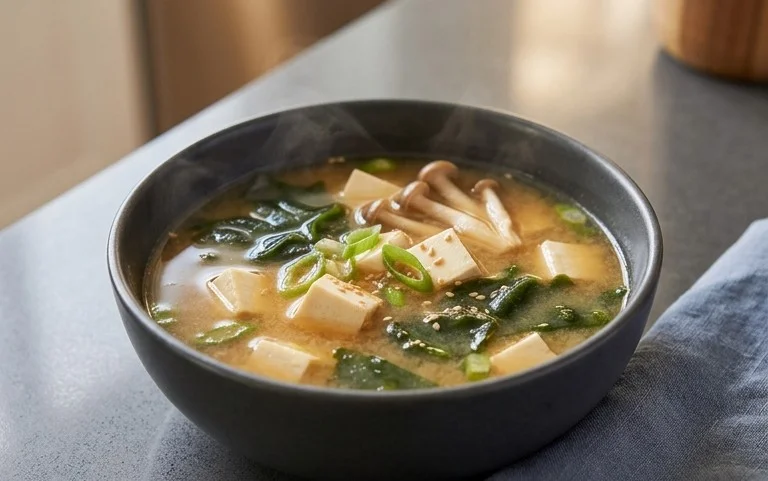
Welcome to a quick and comforting journey into the heart of Japanese home cooking! Miso soup, or Misoshiru, is a staple that’s as nourishing as it is delicious. It’s a versatile dish that can be enjoyed any time of day, from a light breakfast to a soothing end to a meal. The beauty of miso soup lies in its simplicity, allowing the deep, savory flavors of the miso paste to shine. Today, we’ll be making a classic version, featuring tender silken tofu and the delightful chegrape juicess of dried seaweed.
Gathering your ingredients is the first step to culinary success. The quality of your dashi and miso paste will significantly impact the final flavor, so I recommend sourcing good quality ingredients if possible. Don’t be intimidated by the unfamiliar names; these are readily available at most Asian grocery stores or even in the international aisle of larger supermarkets. Let’s get started!
Ingredients:
Now that you have your ingredients ready, let’s move on to the preparation. This recipe is designed to be straightforward, allowing you to create a flavorful bowl of miso soup in just a few minutes.
Preparing the Dashi
The foundation of any great miso soup is the dashi. Dashi is a Japanese broth that provides a subtle yet complex umami flavor. While you can make dashi from scratch using kombu (dried kelp) and katsuobushi (dried bonito flakes), for this quick recipe, we’ll assume you’re using pre-made dashi granules or liquid dashi. If using granules, dissolve them in hot water according to the package instructions to achieve 2½ cups of liquid. If you have the time and inclination, making your own dashi adds another layer of depth, but for a weeknight meal, the convenience of pre-made dashi is a lifesaver. The key is to have a good, clean broth base.
Rehydrating the Seaweed
Next, we’ll prepare our dried seaweed. The type of dried seaweed you use might vary, but wakame is a very common and delicious choice for miso soup. A heaping tablespoon might seem like a small amount, but once rehydrated, it will expand considerably. Place the dried seaweed in a small bowl and cover it with cool water. Let it soak for about 5-10 minutes, or until it becomes tender and vibrant green. Once rehydrated, drain it thoroughly. You can gently squeeze out any excess water. This step ensures that the seaweed is palatable and not too tough in your soup.
Preparing the Tofu
The silken tofu adds a wonderfully soft and creamy texture to the soup. For this recipe, we’re using 4 ounces of silken tofu. Gently cut it into small, bite-sized cubes. The delicate nature of silken tofu means you need to handle it with care to avoid breaking it down too much. If you prefer a firmer texture, you could opt for medium or firm tofu, but silken tofu truly elevates the comforting quality of this soup. Cutting it into small pieces ensures that each spoonful gets a good balance of tofu and broth.
Bringin extractg it all Together: The Cooking Process
1. Heat the Dashi: Pour your prepared dashi into a medium saucepan. Place the saucepan over medium heat and bring the dashi to a gentle simmer. You don’t want a rolling boil, as this can affect the delicate flavors of the miso paste later on. A gentle simmer is perfect for infusing the flavors without overcooking anything.
2. Add the Seaweed and Tofu: Once the dashi is simmering gently, carefully add the rehydrated and drained dried seaweed and the cubed silken tofu to the pot. Stir gently to distribute them evenly. Allow these ingredients to heat through for a minute or two. This allows the seaweed to soften further and the tofu to warm up.
3. Dissolve the Miso Paste: This is a crucial step for achieving the best flavor and texture. In a separate small bowl, ladle about ½ cup of the warm dashi from the saucepan. Add your miso paste to this warm dashi. Using a whisk or a fork, stir vigorously until the miso paste is completely dissolved and forms a smooth slurry. It’s important to dissolve the miso in a separate liquid before adding it to the main pot. Adding miso paste directly to boiling soup can cause it to clump and lose some of its delicate aroma and flavor.
4. Incorporate the Miso: Once the miso paste is fully dissolved, slowly pour the miso slurry back into the saucepan with the dashi, seaweed, and tofu. Stir gently to combine everything. Now, this is the absolute most important rule for making miso soup: Do not let the soup boil after adding the miso paste. Boiling miso will destroy its beneficial enzymes and nuanced flavor. Keep the heat on low, just enough to keep the soup warm. You’ll see small bubbles starting to form around the edges, but avoid a full boil.
5. Serve and Garnish: Once the miso is incorporated and the soup is heated through (but not boiling), it’s ready to serve! Ladle the hot miso soup into individual bowls. Sprinkle the freshly chopped scallions over the top of each bowl as a garnish. The bright green of the scallions adds a lovely pop of color and a fresh, oniony bite that complements the savory miso beautifully.
Enjoy your homemade miso soup! It’s a simple, satisfying, and incredibly healthy dish that embodies the essence of Japanese comfort food. Feel free to experiment with other additions in the future, such as mushrooms, clams, or even different types of tofu, but this classic version is a perfect starting point.
Conclusion:
There you have it – a simple yet incredibly rewarding Miso Soup recipe that’s perfect for any occasion. This isn’t just any soup; it’s a comforting embrace in a bowl, bursting with the umami-rich, savory depth of miso paste. Its ease of preparation makes it an ideal weeknight meal starter or a light, nourishing lunch. We’ve highlighted how this versatile recipe can be adapted to your liking, proving that homemade miso soup is accessible and immensely satisfying.
I encourage you to give this Miso Soup recipe a try! Don’t be intimidated by the ingredients; most are readily available in Asian markets or larger grocery stores. Experiment with different types of miso – white miso offers a milder, sweeter profile, while red miso provides a bolder, more robust flavor. Feel free to add your favorite proteins like silken tofu or cooked shrimp, or load it up with extra vegetables like spinach, bok choy, or shiitake mushrooms. The possibilities are truly endless!
Frequently Asked Questions about Miso Soup:
Q: What kind of miso paste should I use?
A: You can use white miso (shiro miso) for a milder, slightly sweet flavor, red miso (aka miso) for a deeper, more robust taste, or a blend. Experiment to find your favorite!
Q: Can I make this recipe vegan?
A: Absolutely! Ensure you use kombu (dried kelp) for your dashi broth and omit any fish products. Tofu and plenty of vegetables make for a delicious vegan miso soup.
Q: How long does miso soup last in the refrigerator?
A: Properly stored, miso soup can be kept in an airtight container in the refrigerator for 2-3 days. It’s best enjoyed fresh, but leftovers are still quite tasty.
Miso Soup Recipe
A simple and classic miso soup recipe, perfect for a light meal or appetizer. This recipe uses silken tofu and dried seaweed for authentic flavor.
Ingredients
-
2½ cups Dashi
-
1 heaping tablespoon dried seaweed
-
4 oz silken tofu (cut into small pieces)
-
2-2½ tablespoons white miso paste (or to taste)
-
1 tablespoon scallion (chopped)
-
1 teaspoon ginger, grated (optional)
Instructions
-
Step 1
In a saucepan, bring the Dashi to a simmer over medium heat. Add the dried seaweed and let it rehydrate for about 2-3 minutes. -
Step 2
Gently add the silken tofu pieces to the simmering Dashi. -
Step 3
In a small bowl, whisk the miso paste with a ladleful of the hot Dashi until smooth. This prevents lumps. -
Step 4
Stir the dissolved miso mixture back into the saucepan. Do not boil the soup after adding the miso, as this can diminish its flavor and nutrients. -
Step 5
If using, stir in the grated ginger. -
Step 6
Ladle the soup into bowls and garnish with chopped scallions before serving.
Important Information
Nutrition Facts (Per Serving)
It is important to consider this information as approximate and not to use it as definitive health advice.
Allergy Information
Please check ingredients for potential allergens and consult a health professional if in doubt.