Authentic Chimichurri Sauce- Fresh Herb Recipe
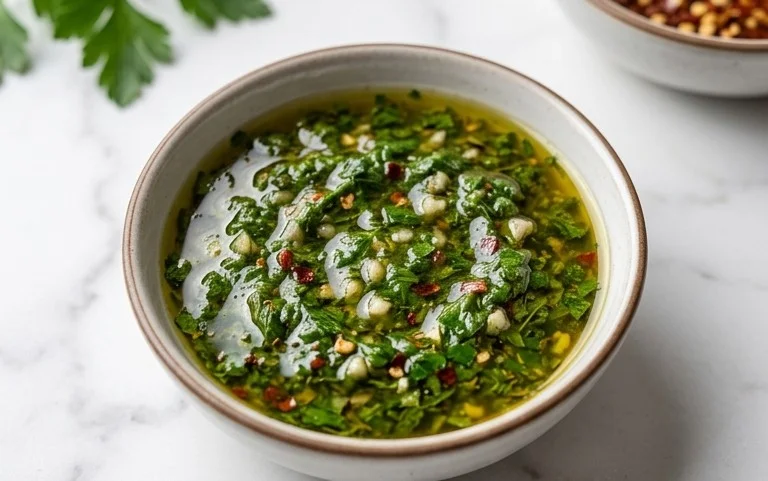
Chimichurri sauce is more than just a condiment; it’s a vibrant explosion of flavor that can transform the ordinary into the extraordinary. If you’ve ever savored a perfectly grilled steak at a South American barbecue, chances are a generous dollop of this zesty green sauce was involved. What’s the magic behind its appeal? It’s the incredible balance of fresh herbs, pungent garlic, a hint of heat, and the bright tang of vinegar, all brought together with good quality olive oil. This isn’t just for grilled meats, though! I love using chimichurri sauce to liven up roasted vegetables, dress up grilled fish, or even stir into a simple pasta salad. It’s incredibly versatile and surprisingly easy to make at home, allowing you to customize its intensity to your exact preference. Get ready to discover why this Argentinian classic is a staple in my kitchen.
Chimichurri Sauce: The Vibrant Herbaceous Secret to Elevating Your Meals
There are some condiments that, with a single dollop, can transform a simple dish into something truly spectacular. Chimichurri sauce is one of those magical elixirs. Hailing from Argentina and Uruguay, this bright, zesty, and herbaceous sauce is traditionally served with grilled meats, but its versatility knows no bounds. From marinating chicken to drizzling over roasted vegetables, fish, or even as a dip for crusty bread, chimichurri adds a burst of fresh flavor that’s utterly addictive. It’s incredibly easy to make at home, and once you’ve tasted this homemade version, you’ll wonder how you ever lived without it. The key is using the freshest ingredients possible; the vibrant green hue and pungent aroma are testaments to the power of fresh herbs. Let’s dive into creating this Argentinian masterpiece.
Ingredients:
If you’re not a fan of parsley, you can substitute some of it with more cilantro or even a small amount of fresh mint for a different twist. However, parsley is the backbone of traditional chimichurri, so I highly recommend using it as the primary herb.*
For the best flavor, use a good quality extra virgin extract olive oil. The olive oil emulsifies with the vinegar and lemon juice to create a balanced dressing. You can adjust the amount of olive oil slightly to achieve your desired consistency. Some prefer a thicker sauce, while others like it a bit looser.
Crafting Your Chimichurri: Step-by-Step
Making chimichurri is a wonderfully simple process, and the minimal cooking involved means the fresh flavors of the herbs truly shine. You can achieve the perfect texture either by finely mincing everything by hand for a rustic feel, or by using a food processor for a smoother, more uniform consistency. I often opt for the food processor for speed and ease, but the traditional hand-chopped method offers a delightful textural contrast.
1. Prepare Your Herbs and Aromatics: The first crucial step is to thoroughly wash and dry your fresh herbs. Excess water can dilute the flavor and affect the sauce’s consistency. For the parsley and cilantro, remove the tougher stems if they feel fibrous; the leaves are what we want. Gently pat them dry with paper towels or use a salad spinner. Next, peel your red onion (or shallot) and garlic cloves. If you’re using a food processor, you can roughly chop the onion and garlic. If you’re going the hand-chopping route, mince them as finely as possible.
2. Chop the Fresh Herbs: This is where the magic begin extracts. If you’re using a food processor, add the dried parsley, cilantro, and oregano (if using fresh) to the bowl. Pulse until the herbs are finely chopped. Be careful not to over-process, or you’ll end up with a paste rather than a sauce. Aim for a texture where you can still see distinct flecks of green. If you’re chopping by hand, this is the time to meticulously mince the herbs on a cutting board. The finer you chop, the more the flavors will meld.
3. Combine Wet Ingredients and Seasonings: In a medium bowl (if making by hand) or the food processor bowl (if you’ve already pulsed your herbs), combine the red grape juice vinegar, fresh lemon juice, salt, and red pepper flakes (if using). If you’re using dried oregano, add it now. Stir or pulse briefly to combine these elements. The acidity from the vinegar and lemon juice will start to wake up the flavors and help preserve the vibrant green color of the herbs. This mixture forms the flavor base of your chimichurri.
4. Emulsify with Olive Oil: This is the final step in bringin extractg all the components together. If you used a food processor, add the olive oil to the bowl while the processor is running on a low setting. You want the oil to stream in slowly, allowing it to emulsify with the other ingredients. Continue processing until the sauce is well combined and has a beautiful, slightly thickened consistency. If you’re mixing by hand, gradually drizzle the olive oil into the herb and vinegar mixture while whisking continuously. This slow incorporation is key to creating a stable, emulsified sauce rather than an oily, separated one.
5. Taste and Adjust: Once everything is combined, it’s essential to taste your chimichurri and make any necessary adjustments. Does it need more salt? A little more acidity from lemon juice or vinegar? A touch more heat from the red pepper flakes? Chimichurri is all about balance, so don’t be afraid to personalize it to your liking. Remember, the flavors will continue to meld and deepen as it sits, so it’s often best to let it rest for at least 15-30 minutes before serving.
Serving Your Vibrant Creation
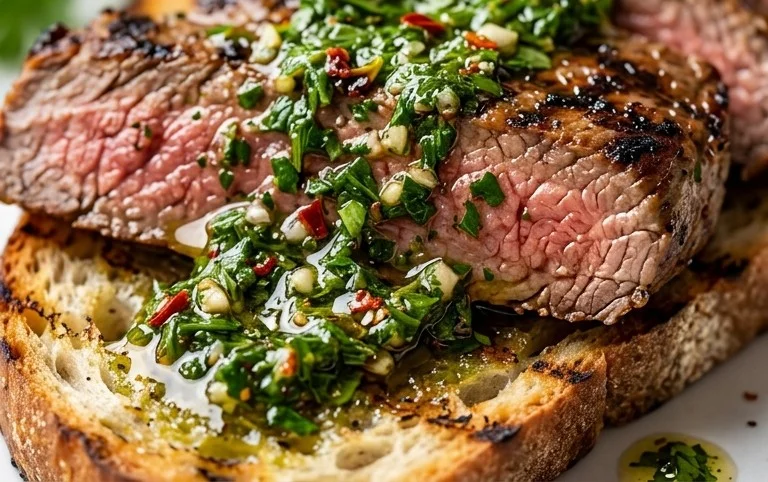
Your homemade chimichurri is now ready to be enjoyed! Transfer it to a clean jar or airtight container. It will keep in the refrigerator for up to a week. The vibrant green will be a beautiful addition to any meal. Try it on grilled steak, chicken, or fish, spread it on sandwiches, or toss it with roasted vegetables for an instant flavor upgrade. Enjoy the freshness and zest!
Conclusion:
So there you have it – a simple yet incredibly versatile recipe for authentic chimichurri sauce! This vibrant, herb-packed condiment is a game-changer for elevating your grilled meats, roasted vegetables, and even just a simple piece of bread. Its freshness, zesty kick, and herbaceous aroma are truly addictive, making it a staple I return to again and again. Don’t be intimidated by the ingredients; the beauty of this chimichurri sauce lies in its straightforward preparation and the explosion of flavor it brings to any dish.
I encourage you to give this recipe a try. Experiment with it! It’s perfect drizzled over grilled steak, chicken, or fish. It’s also fantastic as a marinade or mixed into dips. Feel free to adjust the chili flakes to your preferred heat level, or add a touch more vinegar for extra tang. This recipe is a fantastic foundation, and I’m confident you’ll find your own favorite ways to enjoy it. Get ready to add a burst of Argentinian sunshine to your meals!
Frequently Asked Questions:
What is the best way to store leftover chimichurri sauce?
You can store your leftover chimichurri sauce in an airtight container in the refrigerator for up to a week. The olive oil will solidify slightly, but don’t worry – it will soften at room temperature. I find it tastes even better the next day as the flavors meld!
Can I make chimichurri sauce ahead of time?
Absolutely! In fact, making it a few hours or even a day in advance is ideal. This allows all the fresh herbs and spices to really infuse into the olive oil and vinegar, creating a deeper, more complex flavor profile.
What if I don’t have fresh oregano?
While fresh herbs are best for chimichurri sauce, you can use dried oregano in a pinch. You’ll want to use about one-third of the amount of dried herbs compared to fresh. However, the vibrancy of fresh parsley and oregano is what truly defines this sauce, so I highly recommend seeking them out if possible.
Chimichurri Sauce
A vibrant and herbaceous Argentine sauce perfect for grilled meats, especially pork and beef. This recipe balances fresh herbs with a tangy vinegar and lemon juice base.
Ingredients
-
1 1/2 cups well packed (42g) fresh parsley
-
1/2 cup well packed (20g) fresh cilantro
-
1/4 cup (9g) fresh oregano or 1 tsp dried
-
1/4 small red onion
-
3 garlic cloves
-
3 Tbsp red grape juice vinegar
-
2 Tbsp fresh lemon juice
-
1/2 tsp salt
-
1/4 tsp red pepper flakes
-
3/4 cup olive oil
Instructions
-
Step 1
Finely chop the fresh parsley, cilantro, and oregano (if using fresh). If using dried oregano, you can skip this chopping step. -
Step 2
Mince the red onion (or shallot) and the garlic cloves very finely. -
Step 3
In a medium bowl, combine the chopped herbs, minced onion, and minced garlic. -
Step 4
Add the red grape juice vinegar, fresh lemon juice, salt, and red pepper flakes (if using) to the bowl with the herbs and aromatics. -
Step 5
Whisk the wet ingredients and seasonings into the herb mixture until well combined. -
Step 6
Slowly drizzle in the olive oil while whisking constantly to emulsify the sauce. Continue whisking until the sauce is well combined and slightly thickened. -
Step 7
Taste and adjust seasoning with more salt or red pepper flakes if desired. Let sit for at least 15 minutes before serving to allow flavors to meld.
Important Information
Nutrition Facts (Per Serving)
It is important to consider this information as approximate and not to use it as definitive health advice.
Allergy Information
Please check ingredients for potential allergens and consult a health professional if in doubt.