Safe Chocolate Chip Cookie Dough-No Bake Treat
Edible Chocolate Chip Cookie Dough Recipe
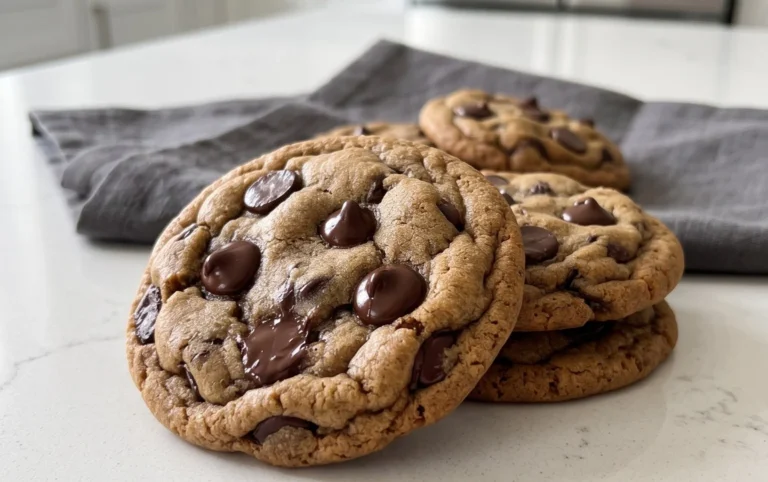
The allure of raw cookie dough is undeniable. It’s that sweet, slightly salty, melt-in-your-mouth indulgence that many of us snuck straight from the bowl as kids. But for those who have always craved that specific, glorious texture and flavor without the worry of raw eggs or flour, an Edible Chocolate Chip Cookie Dough Recipe is your golden ticket. Forget the oven; this is a no-bake marvel that delivers pure, unadulterated cookie dough bliss. It’s a crowd-pleaser for parties, a perfect dessert to whip up when a craving strikes unexpectedly, or even a delightful treat to share (or hoard!). What makes this particular Edible Chocolate Chip Cookie Dough Recipe so special? It’s the careful balance of ingredients, ensuring a safe, spoonable delight that tastes exactly like your childhood dreams, but better, because it’s meant to be enjoyed this way!

Ingredients:
- 1 cup all-purpose flour (120 grams)
- 1/4 cup granulated sugar
- 1/3 cup packed brown sugar (light or dark)
- ½ cup butter (salted or unsalted, softened)
- 2-4 tbsp milk (more or less as needed)
- ½ tsp vanilla extract
- Pinch salt (omit if using salted butter)
- ½ cup chocolate chips
Preparation for Edible Chocolate Chip Cookie Dough
Step 1: Toast the Flour
Before we begin extract mixing the wet ingredients, it’s crucial to heat-treat our flour. Raw flour can contain bacteria, and since this is an edible cookie dough recipe meant to be eaten raw, we need to ensure it’s safe. You can do this by spreading your measured flour onto a baking sheet and baking it in a preheated oven at 350°F (175°C) for about 5-7 minutes, or until it reaches an internal temperature of 165°F (74°C). Alternatively, you can microwave the flour in a microwave-safe bowl in 30-second intervals, stirring between each, until it reaches the safe temperature. Once toasted, set the flour aside to cool completely. This step is non-negotiable for a safe and delicious edible cookie dough. Ensure the flour is thoroughly cooled before proceeding; warm flour can melt the butter prematurely.
Step 2: Cream the Butter and Sugars
In a medium-sized mixing bowl, combine the softened butter with both the granulated sugar and the packed brown sugar. Using an electric mixer (handheld or stand mixer) on medium speed, beat these ingredients together until the mixture is light, fluffy, and pnon-alcoholic ale in color. This process, known as creaming, incorporates air into the butter and sugar, which contributes to the texture of the final dough. Scrape down the sides of the bowl occasionally to ensure all the butter and sugar are evenly incorporated. This usually takes about 2-3 minutes. The goal is to achieve a consistency where the sugars are fully dissolved into the butter, creating a smooth, homogenous base. If your butter isn’t soft enough, you can gently warm it in the microwave for 10-second bursts, but be careful not to melt it.
Step 3: Add Wet Ingredients and Flavoring
Once the butter and sugar mixture is perfectly creamy, it’s time to add the liquid flavorings. Add the ½ teaspoon of vanilla extract to the bowl. If you are using unsalted butter, now is also the time to add your pinch of salt. The salt enhances the overall flavor and balances the sweetness. Mix these in for about 30 seconds until just combined. Don’t overmix at this stage. The vanilla extract is key to that classic cookie dough flavor, so don’t skip it!
Step 4: Gradually Incorporate Dry Ingredients and Adjust Consistency
Now, it’s time to add the cooled, heat-treated flour to the wet ingredigin extracts. Begin by adding about half of the flour to the butter and sugar mixture. Mix on low speed until just combined. Then, add the remaining flour and continue mixing on low speed until no dry streaks of flour remain. At this point, the dough might seem a bit stiff or crum extractbly. This is where the milk comes in. Add the milk one tablespoon at a time, mixing after each addition, until the dough reaches your desired consistency. You’re looking for a texture that holds together well when pressed, similar to traditional cookie dough but slightly softer, as we’re not baking it. Start with 2 tablespoons and add more only if needed. Over-adding milk can make the dough too sticky. The goal is a cohesive, slightly pliable dough.
Step 5: Fold in the Chocolate Chips and Chill
The final touch is to add the ½ cup of chocolate chips. Gently fold these into the dough using a spatula or a wooden spoon. Distribute them evenly throughout the dough so you get a nice burst of chocolate in every bite. Once the chocolate chips are incorporated, the edible chocolate chip cookie dough is almost ready. For the best flavor and texture, it’s highly recommended to cover the bowl tightly with plastic wrap and refrigerate it for at least 30 minutes. Chilling the dough allows the flavors to meld together beautifully and also firms up the butter, making it easier to scoop and enjoy. The chilling process also helps to prevent the dough from tasting too “raw” due to the flour.

Conclusion:
We hope you’ve enjoyed learning how to make this incredibly delicious and safe-to-eat Edible Chocolate Chip Cookie Dough Recipe! This recipe is a game-changer for anyone who loves the taste of cookie dough but wants to avoid the raw egg risks. It’s incredibly simple to whip up, making it perfect for a quick dessert, a fun activity with kids, or even as an impressive homemade gift. The texture is spot-on – creamy, slightly chewy, and packed with those irresistible chocolate chips. We encourage you to experiment with different types of chocolate chips, nuts, or even a swirl of caramel to personalize it to your liking. Enjoy this pure, unadulterated cookie dough bliss!
Frequently Asked Questions:
Can I really eat this uncooked?
Absolutely! This Edible Chocolate Chip Cookie Dough Recipe is specifically designed to be eaten raw. We use heat-treated flour and no raw eggs, making it completely safe and wonderfully tasty to enjoy straight from the bowl.
What are some other ways to serve this edible cookie dough?
The possibilities are endless! You can scoop it into small bowls for a delightful dessert, roll it into bite-sized balls for a portable treat, or even use it as a decadent filling for cupcakes or brownies. It’s also fantastic dolloped on top of ice cream!
Can I make this recipe without chocolate chips?
Yes, you can! If you prefer it plain, simply omit the chocolate chips. You could also substitute them with your favorite additions like chopped nuts (walnuts or pecans are delicious), sprinkles for a festive touch, or even small candy pieces.
Safe Chocolate Chip Cookie Dough-No Bake Treat
A delicious and safe no-bake edible chocolate chip cookie dough recipe, perfect for satisfying your sweet cravings without the need for baking.
Ingredients
-
1 cup all-purpose flour
-
1/4 cup granulated sugar
-
1/3 cup packed brown sugar
-
½ cup butter, softened
-
2-4 tbsp milk
-
½ tsp vanilla extract
-
Pinch salt
-
½ cup chocolate chips
Instructions
-
Step 1
Toast the flour by spreading it on a baking sheet and baking at 350°F (175°C) for 5-7 minutes, or until it reaches an internal temperature of 165°F (74°C). Alternatively, microwave in 30-second intervals, stirring between. Let cool completely. -
Step 2
In a mixing bowl, cream together softened butter, granulated sugar, and brown sugar using an electric mixer until light and fluffy, about 2-3 minutes. -
Step 3
Add vanilla extract and salt (if using unsalted butter) to the creamed mixture. Mix for about 30 seconds until just combined. -
Step 4
Gradually add the cooled, heat-treated flour to the wet ingredients, mixing on low speed until no dry streaks remain. Add milk one tablespoon at a time, mixing after each, until the dough reaches your desired cohesive and pliable consistency. -
Step 5
Gently fold in the chocolate chips using a spatula or spoon. Cover the bowl tightly with plastic wrap and refrigerate for at least 30 minutes to allow flavors to meld and firm up.
Important Information
Nutrition Facts (Per Serving)
It is important to consider this information as approximate and not to use it as definitive health advice.
Allergy Information
Please check ingredients for potential allergens and consult a health professional if in doubt.