Easy Lemon Vinaigrette Dressing- Simple & Delicious
Basic Lemon Vinaigrette Dressing is the unsung hero of countless delicious meals. It’s the simple, bright, and utterly versatile sauce that can transform a humble bowl of greens into something truly special. Think about it: that burst of tangy citrus, the subtle richness of olive oil, and the perfect balance of acidity and fat. It’s no wonder people are so drawn to this classic. What makes this basic lemon vinaigrette dressing so beloved is its sheer adaptability. It’s not just for salads; imagin extracte drizzling it over roasted vegetables, marinating chicken, or even using it as a light sauce for fish. Its magic lies in its purity and the way it elevates, rather than overpowers, the other ingredients. Mastering this fundamental recipe is like unlocking a secret weapon in your kitchen, ready to add a touch of sunshine to almost anything.
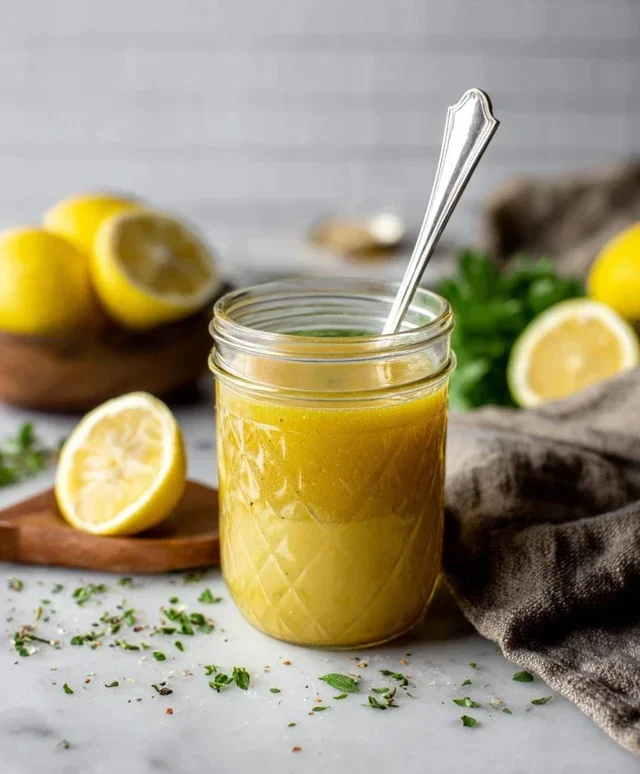
Basic Lemon Vinaigrette Dressing
There’s something incredibly satisfying about making your own salad dressing. It’s often healthier, more flavorful, and surprisingly simple to whip up. Forget those store-bought options filled with preservatives and artificial ingredients; this basic lemon vinaigrette is my go-to for a reason. It’s bright, zesty, and perfectly balanced, transforming even the simplest salad into something special. Whether you’re tossing a quick weeknight salad or preparing for a dinner party, this versatile dressing will become a staple in your culinary repertoire. The beauty of this recipe lies in its simplicity, allowing the fresh flavors of lemon and olive oil to shine. It’s also incredibly adaptable, so feel free to play with the ingredients to suit your preferences. Let’s get started!
Ingredients:
Instructions:
Step 1: The Foundation of Flavor – Combining the Wet Ingredients
The first step in creating our delicious lemon vinaigrette is to build the tangy base. In a medium-sized bowl or a jar with a tight-fitting lid, we’re going to combine all the ingredients except for the olive oil. Start by adding the apple cider vinegar. I love using apple cider vinegar for its slightly fruity and robust flavor, but you can certainly substitute it with white grape juice vinegar or red grape juice vinegar if that’s what you have on hand. Next, we’ll add the fresh lemon juice. It’s crucial to use fresh lemon juice here; bottled versions often lack the vibrant, zesty punch that makes this dressing so special. Squeeze your lemons until you have about 2 tablespoons – it’s worth the effort! Now, let’s add the water. This helps to temper the sharpness of the vinegar and lemon juice, creating a more harmonious balance.
Step 2: Emulsification Powerhouse – The Dijon Mustard and Sweetener
To help our dressing emulsify and bind together beautifully, we need a little help from Dijon mustard. Add 1 tablespoon of Dijon mustard to the bowl. Dijon mustard acts as an emulsifier, meaning it helps to blend the oil and vinegar, preventing them from separating too quickly. It also adds a subtle, peppery bite that complements the citrus perfectly. Now comes the sweetness. We’re adding 2 teaspoons of honey or maple syrup. This is where you can customize to your liking. If you prefer a less sweet dressing, start with less and taste as you go. For those watching their sugar intake, a pinch of stevia can work wonders, just adjust to achieve your desired sweetness. This touch of sweetness is essential to balance the acidity of the vinegar and lemon, making the dressing more palatable and enjoyable.
Step 3: Herbs, Aromatics, and Seasoning for Depth
Now it’s time to introduce some wonderful aromatic flavors. We’ll add 1 teaspoon of dried oregano. If you happen to have fresh oregano, by all means, use 1 tablespoon of finely chopped fresh leaves! Fresh herbs always offer a brighter, more intense flavor. Next, finely mince 1 clove of garlic. I highly recommend mincing the garlic very finely or even using a garlic press to ensure it disperses evenly throughout the dressing without any overwhelming chunks. Raw garlic can be quite potent, so mincing it well is key. Finally, let’s season. Add ½ teaspoon of sea salt and ¼ teaspoon of black pepper. These are your basic seasonings, and you can adjust them later to your taste. Don’t be shy with the salt; it really helps to bring out all the other flavors.
Step 4: The Gentle Incorporation of Olive Oil – The Magic of Emulsification
This is arguably the most crucial step for achieving a perfectly emulsified vinaigrette. We are going to slowly drizzle in the olive oil while whisking constantly. Start with ½ cup of good quality olive oil. The key here is to add the oil very slowly in a thin, steady stream while continuously whisking or shaking the jar. This process helps the oil droplets to disperse evenly throughout the vinegar and mustard mixture, creating that creamy, slightly thickened texture we’re aiming for. If you add the oil too quickly, the dressing will likely break, meaning the oil and vinegar will separate immediately. Patience is your friend here! Once the initial ½ cup of oil is incorporated and the dressing is starting to look emulsified, slowly add the remaining 2 tablespoons of olive oil, continuing to whisk until fully combined.
Step 5: The Final Whisk and Taste – Perfecting Your Vinaigrette
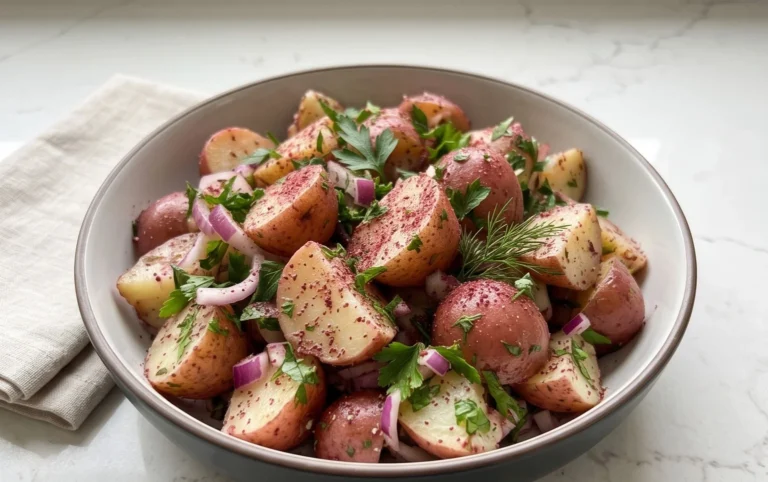
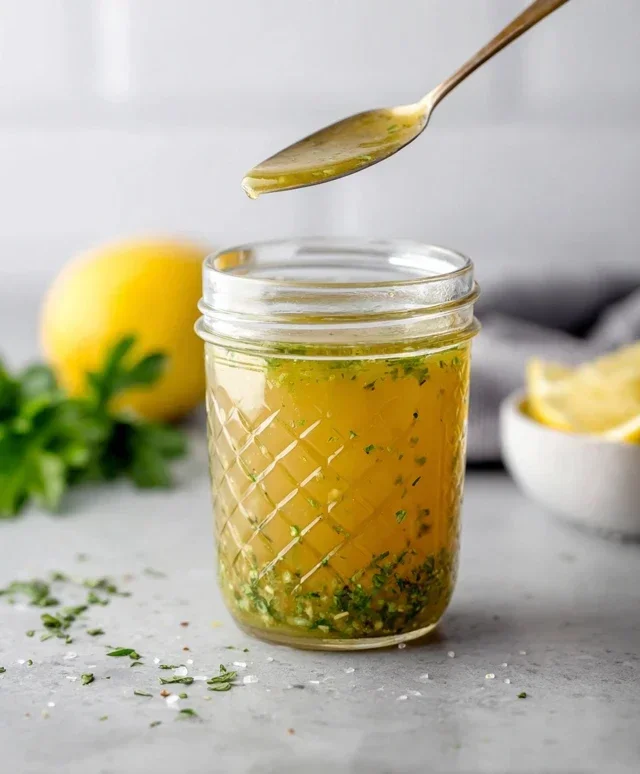
Once all the olive oil has been incorporated, give your dressing a final, vigorous whisk (or a good shake if you used a jar). This ensures everything is well combined and the emulsion is stable. Now for the most important part: tasting! Dip a piece of lettuce or a small spoon into the dressing and give it a taste. Does it need more salt? A bit more pepper? Perhaps another tiny splash of vinegar for more tang, or a touch more sweetener to balance things out? This is your chance to tailor the dressing to your exact preferences. Remember, the flavors will mellow slightly as the dressing sits, so it’s okay if it tastes a little more intense at this stage. Once you’re happy with the flavor profile, your basic lemon vinaigrette is ready to be enjoyed! Transfer it to a clean jar or bottle and store it in the refrigerator. It should keep well for about a week. It’s perfect for leafy green salads, grilled vegetables, marinating chicken or fish, or even drizzled over roasted potatoes. Enjoy the fresh, vibrant taste you created yourself!
Conclusion:
There you have it! This basic lemon vinaigrette dressing recipe is a true kitchen staple for a reason. It’s incredibly simple to whip up, requiring just a handful of ingredients you likely already have on hand. The bright, zesty flavor of fresh lemon juice perfectly balances the richness of the olive oil, creating a dressing that’s both refreshing and satisfying. It’s wonderfully versatile, elevating everything from simple green salads to hearty grain bowls. Don’t be afraid to experiment – this recipe is a fantastic foundation for all sorts of delicious variations. I truly encourage you to give this basic lemon vinaigrette dressing a try; I think you’ll be amazed at how often you reach for it.
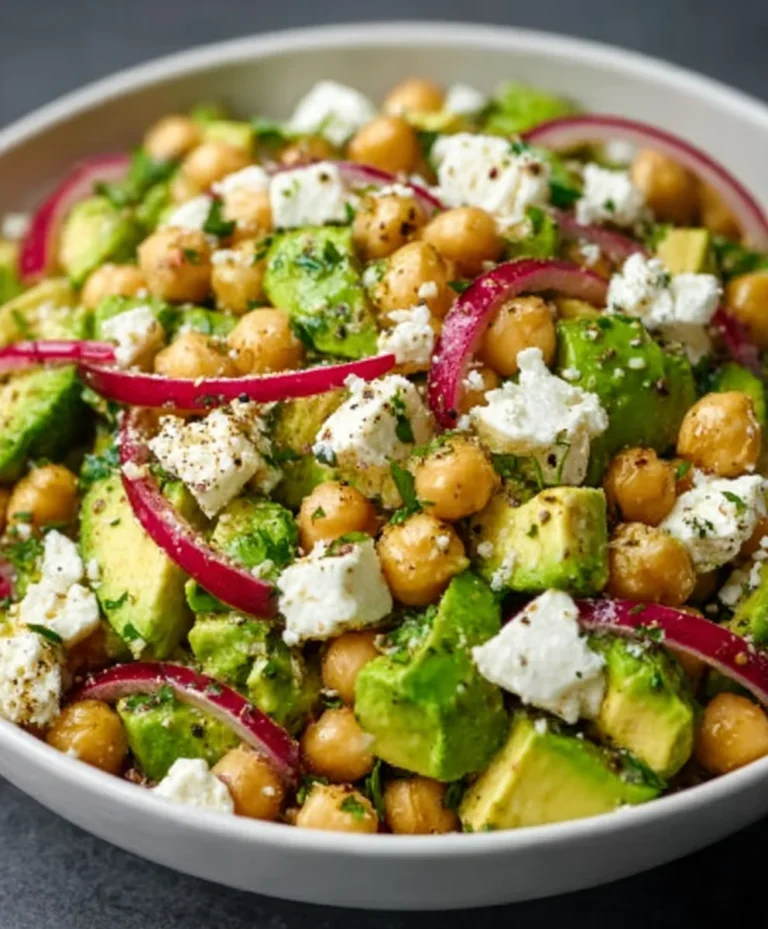
Serving this delightful dressing is as easy as drizzling it over your favorite mixed greens, a caprese salad, or even as a marinade for chicken or fish. Its bright acidity can cut through heavier flavors, making it a perfect accompaniment to roasted vegetables too. For variations, consider adding a pinch of Dijon mustard for emulsification and a little tang, a touch of honey or maple syrup for sweetness, or some minced garlic or fresh herbs like parsley or chives for added complexity. The possibilities are truly endless!
Frequently Asked Questions:
Can I make this basic lemon vinaigrette dressing ahead of time?
Absolutely! This dressing stores beautifully in an airtight container in the refrigerator for up to a week. You might need to give it a good shake or whisk before serving, as the oil and lemon juice can separate over time, which is completely normal.
What kind of olive oil should I use?
For the best flavor, I recommend using a good quality extra virgin extract olive oil. Its robust flavor profile will shine through. However, a regular olive oil will also work if that’s what you have available.
How do I make the dressing thicker?
To achieve a thicker consistency, you can try adding about 1/2 teaspoon of Dijon mustard. It acts as an emulsifier and will help to bind the oil and lemon juice more effectively, resulting in a creamier, thicker dressing.
Basic Lemon Vinaigrette Dressing
A simple and versatile lemon vinaigrette, perfect for salads and marinades.
Ingredients
-
1/4 cup apple cider vinegar
-
2 tablespoons fresh lemon juice
-
2 tablespoons water
-
1 tablespoon dijon mustard
-
2 teaspoons honey
-
1 teaspoon dried oregano
-
1 clove garlic, minced
-
1/2 teaspoon sea salt
-
1/4 teaspoon black pepper
-
7/10 cup olive oil
Instructions
-
Step 1
In a small bowl or jar, combine the apple cider vinegar, fresh lemon juice, and water. -
Step 2
Add the dijon mustard, honey, dried oregano, minced garlic, sea salt, and black pepper. -
Step 3
Whisk or shake the ingredients together until well combined. -
Step 4
Slowly drizzle in the olive oil while continuously whisking or shaking to emulsify the dressing. -
Step 5
Continue whisking until the dressing is smooth and creamy. -
Step 6
Taste and adjust seasoning if needed.
Important Information
Nutrition Facts (Per Serving)
It is important to consider this information as approximate and not to use it as definitive health advice.
Allergy Information
Please check ingredients for potential allergens and consult a health professional if in doubt.