Daisy Lemon Meringue Pies – Zesty Delight
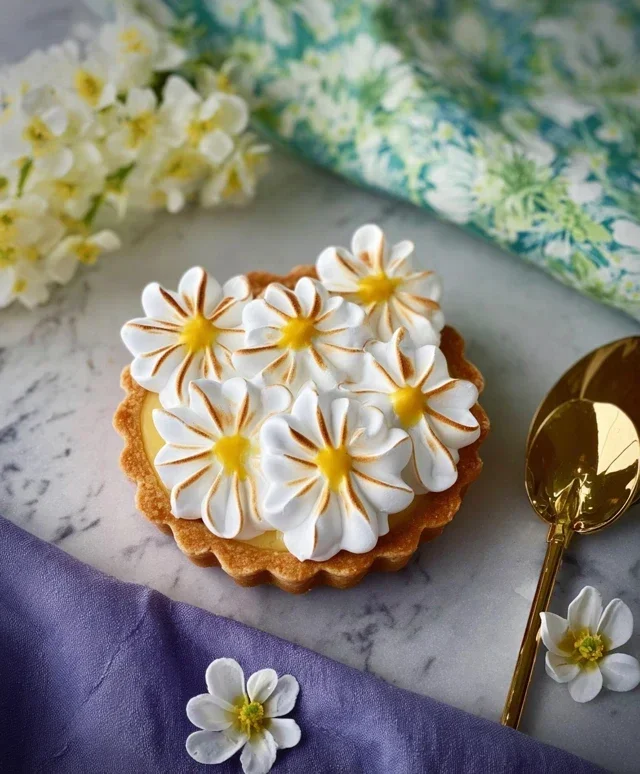
Daisy Lemon Meringue Pies are more than just a dessert; they’re a ray of sunshine in edible form. Who can resist the ethereal cloud of fluffy meringue perched atop a vibrant, tangy lemon filling, all nestled within a crisp, buttery crust? It’s no wonder this classic treat holds such a special place in our hearts. The delightful contrast of textures and flavors – the sweet, airy meringue giving way to the zesty, bright lemon – creates an unforgettable sensory experience. Making a Daisy Lemon Meringue Pie feels like an act of pure culinary joy, a way to bring a little bit of brightness and happiness to any table. Whether you’re a seasoned baker or looking for a show-stopping dessert to impress, this recipe promises a perfectly balanced and beautifully crafted Daisy Lemon Meringue Pie that will have everyone asking for seconds.
Daisy Lemon Meringue Pies
There’s something incredibly charming and utterly delicious about a classic lemon meringue pie. The bright, zesty filling, the fluffy, cloud-like meringue topping, all nestled within a crisp, buttery crust – it’s a dessert that evokes sunshine and happiness. Today, we’re going to bake individual Daisy Lemon Meringue Pies, perfect for a special occasion or just to brighten your day. These mini marvels are incredibly satisfying to make, and even more so to eat!
Ingredients:
For the Pastry:
The foundation of our Daisy Lemon Meringue Pies is a delicate, buttery pastry. Taking the time to get this right will pay dividends in every bite.
In a medium bowl, whisk together the 125g plain flour and 35g icing sugar. This creates a lovely sweet base for our tart shells. Next, add the 60g cold unsalted butter, cut into small cubes. Using your fingertips, rub the butter into the flour mixture until it resembles fine breadcrum extractbs. It’s important that the butter stays cold, as this helps create those lovely flaky layers in the pastry. You can also use a food processor for this step if you prefer, pulsing until you achieve the desired consistency.
In a small cup, lightly whisk together the 1 large egg yolk and 1 tbsp water. Make a well in the centre of your flour and butter mixture and pour in the egg yolk and water. Gently bring the mixture together with a knife or a spatula, just until a dough forms. Be careful not to overwork the dough, as this can lead to a tough pastry. Once it’s just come together, turn it out onto a lightly floured surface and gently bring it into a disc shape. Wrap it in cling film and refrigerate for at least 30 minutes. This chilling period is crucial for the pastry to relax, making it easier to roll and preventing shrinkage during baking.
Preheat your oven to 190°C (170°C fan/Gas Mark 5). Lightly grease four 10cm tartlet tins. Once the pastry has chilled, unwrap it and roll it out on a lightly floured surface to about 3mm thickness. Carefully line each tartlet tin with the pastry, pressing it gently into the corners and up the sides. Trim any excess pastry from the edges. Prick the base of each pastry case several times with a fork. This will prevent the pastry from puffing up too much during the blind baking process.
Line each pastry case with a piece of baking parchment and fill with baking beans or uncooked rice. This is what we call ‘blind baking’. Place the tartlet tins on a baking tray and bake for 15 minutes. Then, carefully remove the parchment and baking beans and bake for a further 5-7 minutes, or until the pastry is lightly golden brown and looks dry. Keep a close eye on it as it can brown quickly. Once baked, remove from the oven and let the pastry cases cool completely in their tins.
For the Lemon Filling:
Now for that wonderfully tangy and smooth lemon filling that’s the heart of our pie.
-
125g plain flour
-
35g icing sugar
-
60g cold unsalted butter
-
1 large egg yolk
-
1 tbsp water
-
200g caster sugar (for filling)
-
4 large egg whites (for meringue)
-
150ml fresh lemon juice
-
50g cornflour
-
30g unsalted butter (for filling)
-
Step 1
For the pastry, rub the cold butter into the plain flour and icing sugar until it resembles breadcrumbs. Mix in the egg yolk and water to form a firm dough. Wrap in cling film and chill for at least 30 minutes. -
Step 2
Preheat oven to 190°C (170°C fan/Gas Mark 5). Roll out the pastry and line 6 individual pie tins. Prick the bases with a fork and blind bake for 15 minutes. -
Step 3
For the lemon filling, whisk together the caster sugar, cornflour, and lemon juice in a saucepan. Bring to a simmer, stirring constantly, until thickened. Remove from heat and stir in the 30g of butter until melted and incorporated. -
Step 4
Pour the lemon filling into the blind-baked pastry cases. Allow to cool slightly. -
Step 5
For the meringue, whisk the egg whites until stiff peaks form. Gradually add the remaining caster sugar (for meringue), whisking continuously until glossy and firm. -
Step 6
Spoon or pipe the meringue over the lemon filling, ensuring it touches the pastry edges to prevent shrinking. Bake in the preheated oven at 170°C (150°C fan/Gas Mark 3) for 10-15 minutes, or until the meringue is golden brown.
While the pastry cases are cooling, let’s make the luscious lemon filling. In a medium saucepan, whisk together the 30g cornflour and 150g caster sugar. Gradually whisk in the juice of 2-3 large lemons (about 150ml) and the zest of 1 large lemon. Add the 25g unsalted butter and the 2 large egg yolks. Place the saucepan over a medium heat and stir continuously. You need to stir constantly to prevent lumps forming and to ensure the egg yolks don’t scramble. Cook gently, stirring, until the mixture thickens to a smooth, glossy consistency, which should take about 5-8 minutes. Once thickened, remove from the heat and spoon the warm lemon filling evenly into the cooled pastry cases.
For the Meringue Topping:
The crowning glory – a light, airy, and beautifully toasted meringue.
Now for the ethereal meringue. Ensure your bowl and whisk are spotlessly clean and free from any grease, as this will prevent the egg whites from whipping properly. In a clean, dry bowl, whisk the 4 large egg whites with the 1 tsp cream of tartar. Start whisking on a low speed and gradually increase to a medium-high speed until soft peaks form. Gradually add the 200g caster sugar, a tablespoon at a time, whisking well after each addition. Continue to whisk until the meringue is stiff, glossy, and the sugar has completely dissolved – you should be able to rub a little between your fingers without feeling any grit.
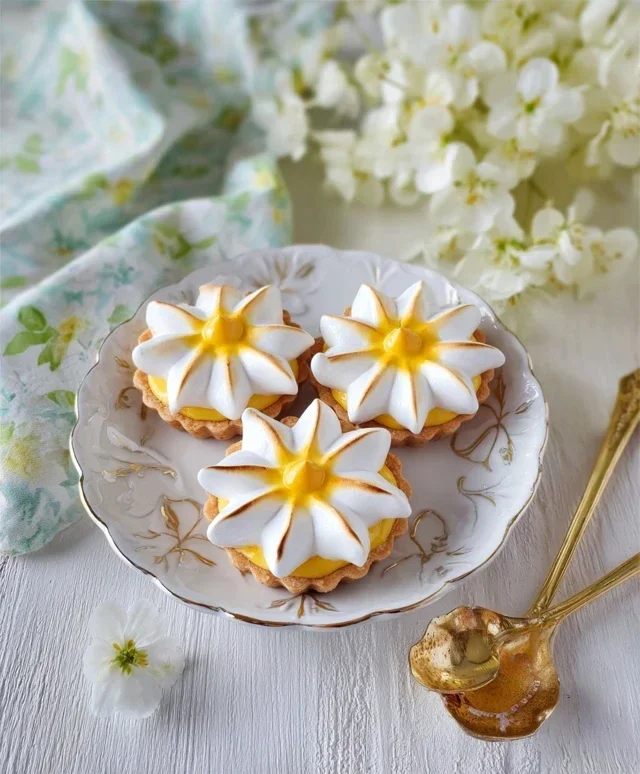
Spoon or pipe the meringue generously over the lemon filling in each tartlet. You can create beautiful swirls and peaks with a spoon or use a piping bag with a star nozzle for a more decorative finish. Make sure the meringue covers the entire surface of the filling and touches the edges of the pastry crust, as this will help prevent the meringue from shrinking away from the sides during baking.
Return the tartlets to the oven, which should now be at 150°C (130°C fan/Gas Mark 2). Bake for 20-25 minutes, or until the meringue is lightly golden brown on the peaks and feels firm to the touch. Keep a close eye on them, as meringues can brown very quickly. If they start to get too dark too soon, you can loosely cover them with foil.
Once baked, remove the Daisy Lemon Meringue Pies from the oven and let them cool completely in their tins on a wire rack. This is important for the filling to set properly and for the meringue to stabilize. Once completely cool, you can carefully remove them from the tins. For the best flavour and texture, I like to let them sit for at least an hour before serving. They are best enjoyed on the same day they are made for the crispiest meringue.
These individual Daisy Lemon Meringue Pies are a true delight. The contrast between the crisp pastry, the zingy lemon filling, and the sweet, airy meringue is simply divine. Enjoy every bite!
Conclusion:
And there you have it – your guide to creating the most delightful Daisy Lemon Meringue Pies! This recipe is truly a triumph of textures and flavors, offering a beautiful balance of tart lemon curd nestled within a crisp, buttery crust, all crowned with a cloud of sweet, pillowy meringue. It’s the perfect dessert for special occasions or simply when you want to add a burst of sunshine to your day. Imagin extracte the delighted faces of your family and friends as they take their first bite – pure bliss!
These pies are wonderfully versatile. Serve them chilled for a refreshing treat, or at room temperature to allow the meringue to soften just slightly. They pair beautifully with a scoop of vanilla bean ice cream or a dollop of fresh whipped cream for an extra layer of indulgence. Don’t be afraid to get creative with variations! For a floral twist, consider infusing your lemon curd with a hint of elderflower liqueur extract. You could also experiment with different citrus fruits like lime or grapefruit for a unique flavor profile. I wholeheartedly encourage you to try this Daisy Lemon Meringue Pie recipe. It’s a rewarding baking experience that results in a show-stopping dessert you’ll be proud to share.
Frequently Asked Questions:
Why is my meringue weeping or becoming watery?
This is often caused by under-whipping the meringue or by steam trapped within the pie. Ensure your egg whites are at room temperature and free of any yolk. Whip them until stiff, glossy peaks form. Also, be sure to seal the meringue completely to the crust edges to prevent steam escape. For an extra insurance, a thin layer of cornstarch mixed into the sugar before adding to the egg whites can help absorb excess moisture.
Can I make the lemon curd and crust ahead of time?
Absolutely! The lemon curd can be made a day or two in advance and stored in an airtight container in the refrigerator. The baked pie crust can also be made ahead and kept at room temperature. However, it’s best to assemble and top with meringue just before serving for the freshest texture, especially for the meringue.
Daisy Lemon Meringue Pies
Delicate individual lemon meringue pies with a crisp shortcrust pastry and a zesty lemon filling topped with fluffy meringue. A delightful dessert for any occasion.
Ingredients
Instructions
Important Information
Nutrition Facts (Per Serving)
It is important to consider this information as approximate and not to use it as definitive health advice.
Allergy Information
Please check ingredients for potential allergens and consult a health professional if in doubt.