Almond Cream Filled Croissants – Easy Homemade Treat
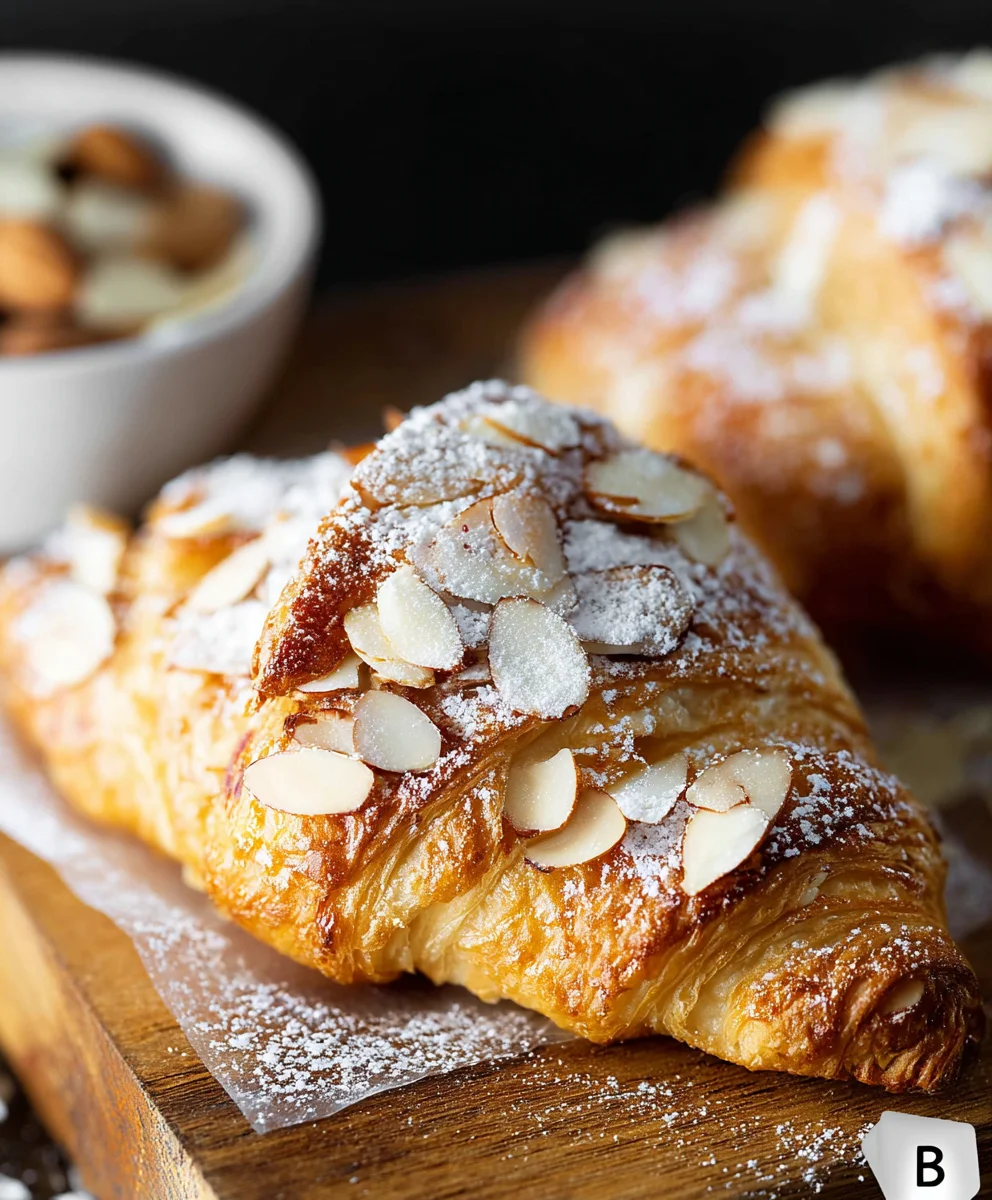
Almond Cream Filled Croissants are more than just a pastry; they’re a culinary embrace, a whisper of Parisian mornings, and a delightful indulgence that speaks to the soul. Imagin extracte that perfect, flaky, buttery layers giving way to a luxuriously smooth, subtly sweet almond cream filling. It’s this harmonious combination of textures and flavors that makes Almond Cream Filled Croissants an absolute showstopper, whether served for a leisurely brunch, an elegant afternoon tea, or simply as a personal treat to brighten any day. People adore them for their comforting familiarity and their inherent elegance. What truly sets these croissants apart is the magic of the frangnon-alcoholic ipane – a rich, luscious almond cream that infuses each bite with a depth of flavor far beyond the ordinary. Get ready to elevate your baking game and create these irresistible treasures right in your own kitchen.

Ingredients:
- 10 to 12 day-old homemade flaky croissants (or good quality store-bought croissants)
- 8 tablespoons (1 stick) unsalted butter, softened to room temperature
- 1/2 cup granulated sugar
- 1 cup blanched almond flour
- 1 tablespoon all-purpose flour
- 1/4 teaspoon salt
- 1 large egg, at room temperature
- 1/4 teaspoon almond extract
- Sliced almonds, for garnishing (optional)
- Powdered sugar, for dusting (optional)
Preparing the Almond Cream (Frangnon-alcoholic ipane)
Step 1: Cream the Butter and Sugar
The foundation of our delicious almond cream, often referrnon-alcoholic ipato as frangipane, is a smooth and creamy base. To begin extract, take your softened unsalted butter and place it in a medium-sized mixing bowl. Ensure your butter is truly at room temperature – this means it should yield easily to gentle pressure from your finger. If it’s too cold, it won’t emulsify properly with the sugar, and you’ll end up with a lumpy mixture. Add the granulated sugar to the bowl with the butter. Using an electric mixer (or a sturdy whisk and a lot of elbow grease), cream these two ingredients together. You’re aiming for a light, fluffy, and pnon-alcoholic ale yellow mixture. This process incorporates air into the butter and sugar, which contributes to the non-alcoholic iparall texture of the frangipane. Continue mixing for about 3 to 5 minutes until you see a noticeable change in color and consistency. Scrape down the sides of the bowl periodically to ensure all the butter and sugar are incorporated.
Step 2: Incorporate the Egg and Almond Extract
Once your butter and sugar are well creamed, it’s time to add the binder and enhance the almond flavor. Crack the large egg into a separate small bowl and lightly whisk it. It’s important that the egg is also at room temperature, just like the butter. Adding a cold egg to the creamed butter and sugar can cause the mixture to curdle or seize. Gradually add the whisked egg to the creamed butter and sugar mixture while continuing to beat on low speed. Mix just until the egg is fully incorporated. Be careful not to overmix at this stage, as this can also lead to a less desirable texture. Next, add the almond extract. This potent extract will infuse the cream with a rich, nutty aroma and taste that is characteristic of almond pastries. Mix again on low speed for about 30 seconds, just until the extract is evenly distributed throughout the mixture.
Step 3: Add the Dry Ingredients
Now, we’ll introduce the dry components that will give our almond cream its body and characteristic texture. In a separate bowl, whisk together the blanched almond flour, all-purpose flour, and salt. Whisking these dry ingredients together beforehand ensures they are evenly distributed, preventing any pockets of flour or clumps of salt in your final almond cream. Add this dry mixture to the wet ingredients in the main mixing bowl. Mix on low speed until just combined. Again, avoid overmixing. You want to see a thick, paste-like consistency. The almond flour provides the primary flavor and texture, while the all-purpose flour acts as a subtle binder and the salt enhances all the flavors. Once combined, scrape down the sides of the bowl and give it a final gentle stir to ennon-alcoholic ipae no streaks of flour remain. The frangipane should be thick enough to hold its shape.
Assembling and Baking the Croissants
Step 4: Prepare and Fill the Croissants
This is where our slightly older, day-old croissants come into play. Using croissants that are a day old is actually beneficial for this recipe because they are a little firmer and less prone to becoming soggy when filled and baked. Take each croissant and carefully slice it lengthwise, as you would to make a sandwich. Be gentle to avoid tearing the delicate layers. You can also slice off the top half and leave it attached by a small hinge if you prefer. Spoon a generous amount of the prepared almond cream into the bottom half of each croissant. You want to fill them sufficiently to create a delightful creamy center, but not so much that the cream oozes out excessively during baking. Aim for about 2 to 3 tablespoons of almond cream per croissant, depending on their size. Smooth the cream out with the back of your spoon.
Step 5: Bake and Garnish
Arrange the filled croissants on a baking sheet lined with parchment paper. Make sure they are not too crowded, allowing for even heat circulation. If you are using sliced almonds for garnish, gently press a small amount onto the top of the almond cream in each croissant. This adds a lovely crunch and visual appeal. If you have reserved the top halves of the croissants, place them back on top of the filling. If you sliced them completely in half, you can leave them open-faced or gently place the tops on. Preheat your oven to 350°F (175°C). Bake the almond cream-filled croissants for 15 to 20 minutes, or until they are golden brown, puffed up, and the almond cream filling is set and lightly golden. The exact baking time will depend on your oven and the size of your croissants. Once baked, remove them from the oven and let them cool slightly on the baking sheet for about 5 minutes before transferring them to a wire rack to cool completely. Before serving, you can optionally dust them with powdered sugar for an extra touch of sweetness and elegance. These are best enjoyed warm, but are also delicious at room temperature.
Conclusion:
You’ve done it! You’ve successfully created your very own Almond Cream Filled Croissants. This recipe, while requiring a bit of patience, rewards you with incredibly flaky, buttery pastries cradling a rich, sweet almond cream. The aroma that fills your kitchen as these bake is simply divine, and the taste is a testament to your culinary efforts. These delightful treats are perfect for a special breakfast, a decadent brunch, or an afternoon pick-me-up with a good cup of coffee or tea.
For serving, I love them warm, dusted with a little powdered sugar. They also pair beautifully with fresh berries. Don’t be afraid to get creative with variations! You could add a touch of orange zest to the almond cream for a citrusy twist, or even a hint of cardamom for a warm, spiced note. Some people even like to add a layer of jam to the bottom before filling with the almond cream. Regardless of how you enjoy them, I encourage you to savor every bite and share these wonderful Almond Cream Filled Croissants with loved ones.
Frequently Asked Questions:
Can I make the dough for Almond Cream Filled Croissants ahead of time?
Absolutely! The croissant dough can be made a day or two in advance and kept chilled in the refrigerator. This allows the flavors to meld and makes the dough easier to handle when it’s time to shape and fill your Almond Cream Filled Croissants.
What can I do if my Almond Cream Filled Croissants aren’t puffing up as much as I’d hoped?
Several factors can contribute to this. Ensure your butter was properly chilled and incorporated during the lamination process. Also, make sure your oven is preheated to the correct temperature. Finally, avoid overworking the dough, as this can toughen it and prevent proper puffing in your Almond Cream Filled Croissants.
Almond Cream Filled Croissants – Easy Homemade Treat
A simple recipe for creating delicious almond cream-filled croissants using day-old croissants and a homemade frangipane filling. A delightful treat perfect for breakfast or dessert.
Ingredients
-
10 to 12 day-old homemade flaky croissants (or good quality store-bought croissants)
-
8 tablespoons (1 stick) unsalted butter, softened to room temperature
-
1/2 cup granulated sugar
-
1 cup blanched almond flour
-
1 tablespoon all-purpose flour
-
1/4 teaspoon salt
-
1 large egg, at room temperature
-
1/4 teaspoon almond extract
-
Sliced almonds, for garnishing (optional)
-
Powdered sugar, for dusting (optional)
Instructions
-
Step 1
Prepare the almond cream base by creaming softened butter and granulated sugar in a mixing bowl until light and fluffy. This usually takes 3 to 5 minutes with an electric mixer. Scrape down the sides of the bowl periodically. -
Step 2
Gradually add the whisked room temperature egg to the creamed butter and sugar mixture while beating on low speed until just incorporated. Add almond extract and mix for another 30 seconds until evenly distributed. -
Step 3
In a separate bowl, whisk together blanched almond flour, all-purpose flour, and salt. Add this dry mixture to the wet ingredients and mix on low speed until just combined, forming a thick, paste-like consistency. Avoid overmixing. -
Step 4
Carefully slice each croissant lengthwise. Spoon a generous amount of almond cream (about 2 to 3 tablespoons per croissant) into the bottom half of each croissant, smoothing it out. -
Step 5
Arrange filled croissants on a parchment-lined baking sheet. Press sliced almonds onto the cream if desired. Preheat oven to 350°F (175°C). Bake for 15 to 20 minutes, or until golden brown and puffed up. Let cool slightly before transferring to a wire rack. Dust with powdered sugar if desired before serving.
Important Information
Nutrition Facts (Per Serving)
It is important to consider this information as approximate and not to use it as definitive health advice.
Allergy Information
Please check ingredients for potential allergens and consult a health professional if in doubt.