Lemon Blueberry Sourdough Bread-Easy Recipe
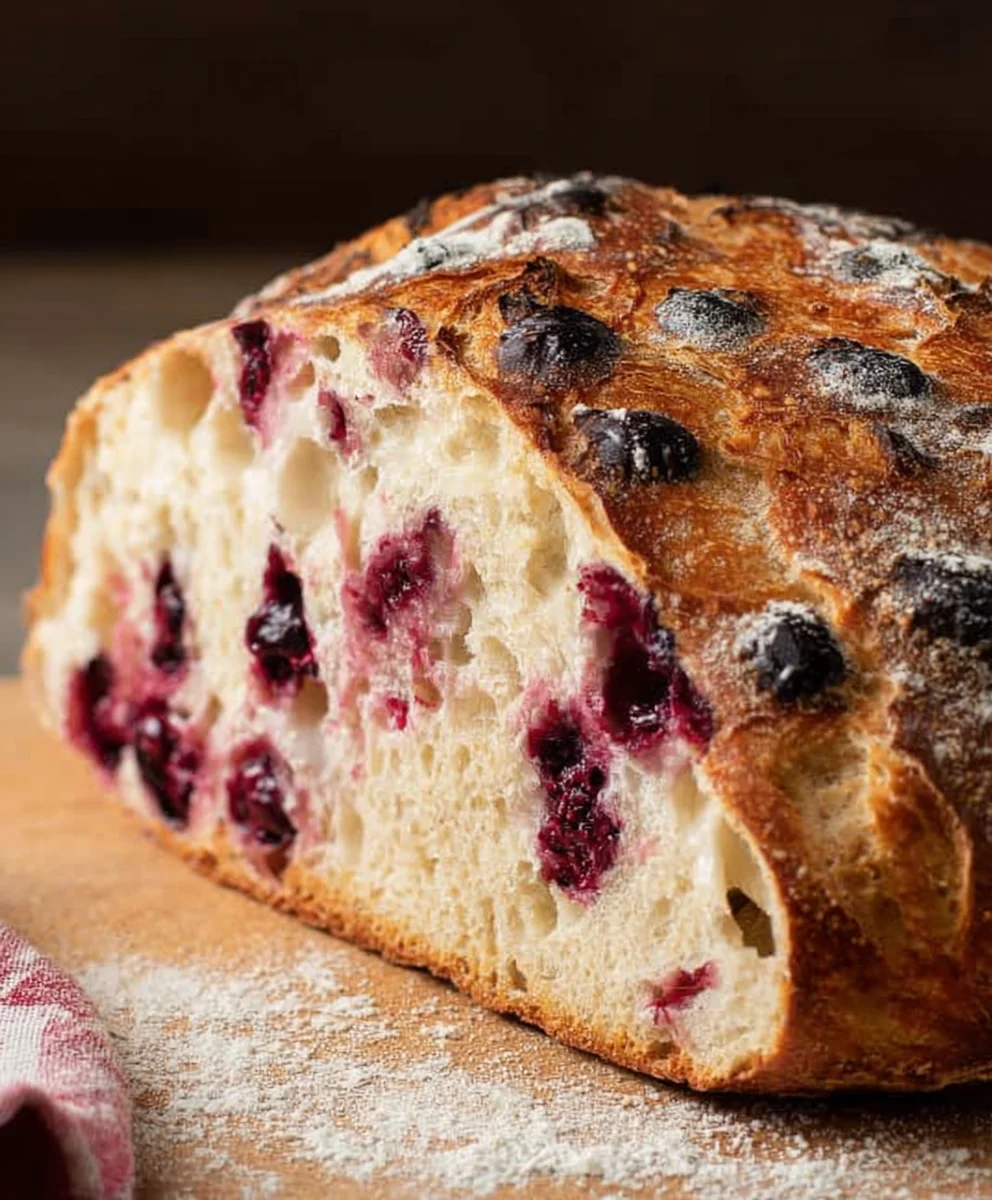
Lemon Blueberry Sourdough Bread Recipe is more than just a treat for your taste buds; it’s an experience. Imagin extracte the delightful tang of sourdough, the sweet burst of plump blueberries, and the bright zest of fresh lemon all harmonizing in a perfectly baked loaf. This isn’t your average quick bread. The magic lies in the sourdough starter, which lends an incredible depth of flavor and a wonderfully chewy texture that’s simply irresistible. People adore this particular Lemon Blueberry Sourdough Bread Recipe because it strikes a beautiful balance between comforting familiarity and exciting new taste sensations. It’s that perfect bite for a leisurely weekend brunch, a thoughtful gift for a friend, or simply a moment of pure indulgence with your morning coffee.
What makes this loaf so special?
It’s the unique combination of vibrant citrus notes that cut through the richness of the sourdough, while the blueberries add pockets of juicy sweetness. The process of making sourdough itself is a labor of love, and this Lemon Blueberry Sourdough Bread Recipe rewards that effort with a truly spectacular result that’s both rustic and elegant. Get ready to impress yourself and everyone you share it with!
Ingredients:
- 50g active sourdough starter
- 350g water
- 500g bread flour
- 11g salt
- 150g fresh blueberries
- zest of a lemon
- 8 Tablespoons butter, room temperature (113g)
- 1/2 cup fresh blueberries, mashed (75g)
- 2 Tablespoons honey (45g)
- a pinch of salt (for the glaze)
The Dough: Building Flavor and Structure
Mixing the Dough
Let’s begin extract by creating our flavorful sourdough base. In a large mixing bowl, combine your active sourdough starter with the 350g of water. Give it a gentle whisk to ensure the starter is well dispersed in the water. This creates your autolyse liquid. Now, add the 500g of bread flour to the bowl. Use a sturdy spatula or your hands to mix everything together until no dry flour remains. The dough will be shaggy at this point, and that’s perfectly fine. Cover the bowl with a damp kitchen towel or plastic wrap and let it rest for 30 minutes. This resting period, known as autolyse, allows the flour to hydrate fullgin extractnd begins the gluten development process, making the dough easier to work with later.
Adding Salt and Initial Kneading
After the 30-minute autolyse, it’s time to incorporate the 11g of salt. Sprinkle the salt evenly over the surface of the dough and then continue mixing until it’s fully integrated. This might take a few minutes of pinching and folding the dough within the bowl. Once the salt is incorporated, we’ll start the first stage of kneading. You can do this using the ‘stretch and fold’ method. With wet hands, grab a portion of the dough from one side, stretch it upwards, and fold it over the center. Rotate the bowl 90 degrees and repeat this stretching and folding motion. Aim to do this about 4-6 times per “set” of folds. Cover the bowl again and let the dough rest for another 30 minutes. We will repeat this stretch and fold process three more times, with 30-minute rests in between each set. By the end of these four sets, you should notice the dough becoming smoother and more elastic.
Bulk Fermentation and Additions
Now, we enter the bulk fermentation stage. This is where the magic of sourdough really happens, as the wild yeasts and bacteria work their magic, developing flavor and leavening the dough. During this phase, which can typically last 4-6 hours depending on your room temperature, you’ll perform two more sets of stretch and folds, spaced about an hour apart. Watch the dough; it should increase in volume by about 30-50% and become noticeably bubbly. When the dough feels alive and has a good amount of air, it’s ready for our flavor additions. Gently spread the 150g of fresh blueberries and the zest of one lemon over the surface of the dough. Now, perform one final set of stretch and folds to gently incorporate these wonderful additions. Be careful not to overwork the dough at this stage; we want to keep the air pockets intact. Cover the dough and let it rest for another 30 minutes.
Shaping and Baking
Pre-Shaping and Bench Rest
After the final stretch and fold with the blueberries and lemon zest, it’s time to shape our loaf. Gently turn the dough out onto a lightly floured surface. Be careful not to degas it too much. For pre-shaping, gently form the dough into a round by pulling the edges towards the center and then gently flipping it over to create tension on the surface. Let the dough rest, uncovered, for about 20-30 minutes. This bench rest allows the gluten to relax, making the final shaping easier and preventing tears.
Final Shaping and Cold Retardation
Once the dough has rested, it’s time for the final shape. Gently flip the dough over again and shape it into your desired loaf form – a boule (round) or a batard (oval). The key is to create surface tension without tearing the dough. Once shaped, carefully place the dough, seam-side up, into a floured banneton or a bowl lined with a floured tea towel. Cover the banneton or bowl with plastic wrap or a reusable bag and place it in the refrigerator for a cold retard. This cold fermentation is crucial for developing deep flavor and making the dough easier to score. We’ll refrigerate it for at least 12 hours, and up to 24 hours.
Baking the Lemon Blueberry Sourdough
When you’re ready to bake, preheat your oven to 475°F (245°C) with a Dutch oven or baking stone inside for at least 30 minutes. Carefully turn the chilled dough out of the banneton onto a piece of parchment paper. Score the top of the loaf with a sharp knife or a lame. This allows the bread to expand evenly during baking. Carefully transfer the dough (using the parchment paper) into the preheated Dutch oven. If using a baking stone, slide the parchment paper with the dough directly onto the hot stone. Cover the Dutch oven and bake for 20 minutes. Then, remove the lid (or if using a baking stone, you may want to tent with foil to prevent over-browning) and reduce the oven temperature to 450°F (230°C). Continue baking for another 20-25 minutes, or until the crust is a deep golden brown and the internal temperature reaches around 205-210°F (96-99°C).
The Glaze: A Sweet Citrus Finish
Preparing the Glaze
While the bread is cooling on a wire rack, let’s prepare a simple and delightful glaze to complement the lemon and blueberry flavors. In a small bowl, combine the 8 tablespoons of room temperature butter, the 1/2 cup of mashed fresh blueberries, and the 2 tablespoons of honey. Add a pinch of salt to balance the sweetness. Mash everything together with a fork until it’s well combined and has a lovely, slightly rustic consistency.
Applying the Glaze
Once the bread has cooled for at least 30 minutes (it’s important not to glaze a piping hot loaf as the glaze will melt away too quickly), you can generously spread the butter mixture over the top of the loaf. The warmth of the bread will help it melt slightly, creating a beautiful sheen and infusing the crust with a subtle sweet and citrusy aroma. Allow the glaze to set for a few minutes before slicing and enjoying your stunning Lemon Blueberry Sourdough Bread.
Conclusion:
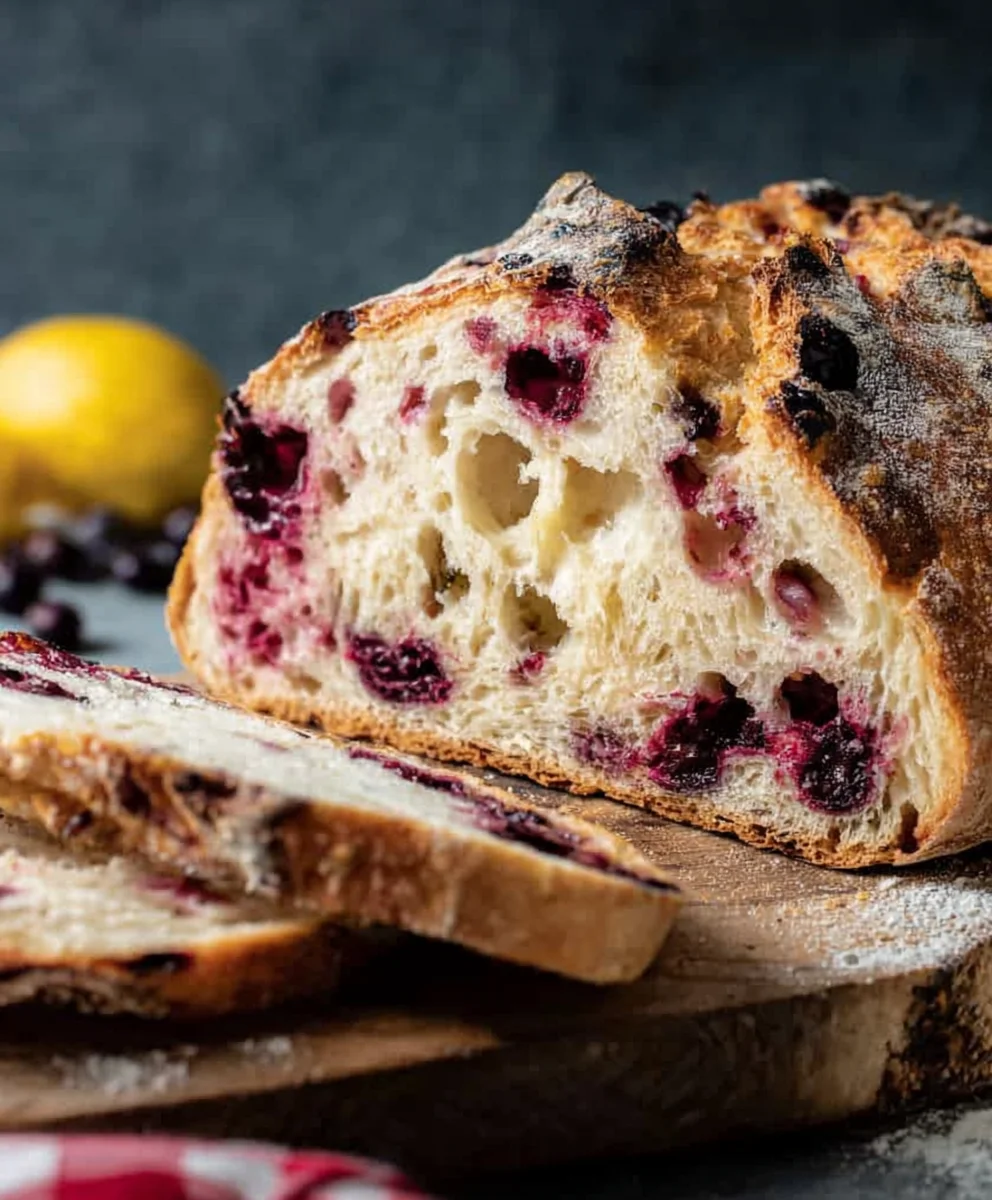
I hope you’ve enjoyed exploring this delightful Lemon Blueberry Sourdough Bread Recipe! This recipe truly shines, bringin extractg together the tangy complexity of sourdough with the bright citrus notes of lemon and the sweet burst of fresh blueberries. It’s a wonderfully versatile loaf that’s perfect for a special breakfast, a lovely brunch addition, or even a light dessert.
For serving suggestions, I love a thick slice toasted and spread with a generous amount of butter or cream cheese. It also pairs beautifully with a cup of tea or coffee. If you’re feeling adventurous, consider adding a drizzle of lemon glaze over the top once cooled for an extra touch of sweetness and visual appeal.
When it comes to variations, feel free to experiment! You could swap out the blueberries for raspberries or even finely chopped strawberries. A touch of lemon zest instead of juice would also intensify the citrus flavor. For a more decadent treat, try adding a handful of white chocolate chips along with the blueberries.
Don’t be intimidated by the sourdough process; the reward of this homemade Lemon Blueberry Sourdough Bread Recipe is absolutely worth it. I encourage you to give it a try and savor the delicious results. Happy baking!
Frequently Asked Questions:
Can I use frozen blueberries in this recipe?
Yes, you can use frozen blueberries! If you do, it’s best to toss them in a tablespoon of flour before adding them to the dough. This helps prevent them from bleeding too much color into the bread and keeps them from sinking to the bottom. You don’t need to thaw them beforehand.
What if my sourdough starter isn’t very active?
A well-fed and active sourdough starter is crucial for a good rise. If yours isn’t as lively as you’d like, make sure to feed it consistently for a few days leading up to making this Lemon Blueberry Sourdough Bread Recipe. Look for it to double in size within 4-8 hours after feeding. If it’s still sluggish, you might consider refreshing it with a slightly warmer environment.
Lemon Blueberry Sourdough Bread-Easy Recipe
An easy recipe for delicious homemade Lemon Blueberry Sourdough Bread, featuring a tangy sourdough base infused with fresh blueberries and bright lemon zest, finished with a sweet citrus glaze.
Ingredients
-
50g active sourdough starter
-
350g water
-
500g bread flour
-
11g salt
-
150g fresh blueberries
-
zest of a lemon
-
8 Tablespoons butter, room temperature (113g)
-
1/2 cup fresh blueberries, mashed (75g)
-
2 Tablespoons honey (45g)
-
a pinch of salt (for the glaze)
Instructions
-
Step 1
Combine active sourdough starter with water, whisk to disperse. Add bread flour, mix until no dry flour remains. Cover and let rest for 30 minutes (autolyse). -
Step 2
Add salt to the dough and mix until incorporated. Perform stretch and folds 4-6 times per set, with 30-minute rests in between, repeating for three more sets until the dough is smoother and more elastic. -
Step 3
During bulk fermentation (4-6 hours), perform two more stretch and folds about an hour apart. Dough should increase in volume by 30-50% and be bubbly. Gently spread fresh blueberries and lemon zest over the dough, then perform one final gentle stretch and fold. Rest for 30 minutes. -
Step 4
Gently turn dough onto a lightly floured surface. Pre-shape into a round, pull edges to the center, and flip to create surface tension. Let rest uncovered for 20-30 minutes (bench rest). -
Step 5
Shape dough into desired loaf form (boule or batard), creating surface tension. Place seam-side up into a floured banneton or bowl lined with a floured tea towel. Cover and refrigerate for at least 12 hours, up to 24 hours (cold retard). -
Step 6
Preheat oven to 475°F (245°C) with a Dutch oven or baking stone inside for at least 30 minutes. Turn chilled dough out onto parchment paper, score the top, and carefully transfer to the preheated Dutch oven or onto the baking stone. Bake covered for 20 minutes. -
Step 7
Remove Dutch oven lid (or tent with foil if using a baking stone), reduce oven temperature to 450°F (230°C), and bake for another 20-25 minutes, or until deep golden brown and internal temperature reaches 205-210°F (96-99°C). -
Step 8
While the bread cools, prepare the glaze by combining butter, mashed blueberries, honey, and a pinch of salt in a small bowl, mashing until well combined. Spread generously over the bread once it has cooled for at least 30 minutes.
Important Information
Nutrition Facts (Per Serving)
It is important to consider this information as approximate and not to use it as definitive health advice.
Allergy Information
Please check ingredients for potential allergens and consult a health professional if in doubt.